599 kr / roll
599 kr / roll
1 299 kr / roll
599 kr / roll
999 kr / roll
599 kr / roll
599 kr / roll
599 kr / roll
999 kr / roll
599 kr / roll
999 kr / roll
599 kr / roll
999 kr / roll
699 kr / roll
599 kr / roll
999 kr / roll
999 kr / roll
1 299 kr / roll
999 kr / roll
699 kr / roll
999 kr / roll
999 kr / roll
1 299 kr / roll
999 kr / roll
999 kr / roll
1 299 kr / roll
999 kr / roll
1 299 kr / roll
1 299 kr / roll
999 kr / roll
1 299 kr / roll
699 kr / roll
1 299 kr / roll
1 299 kr / roll
1 299 kr / roll
1 299 kr / roll

1940s wallpaper

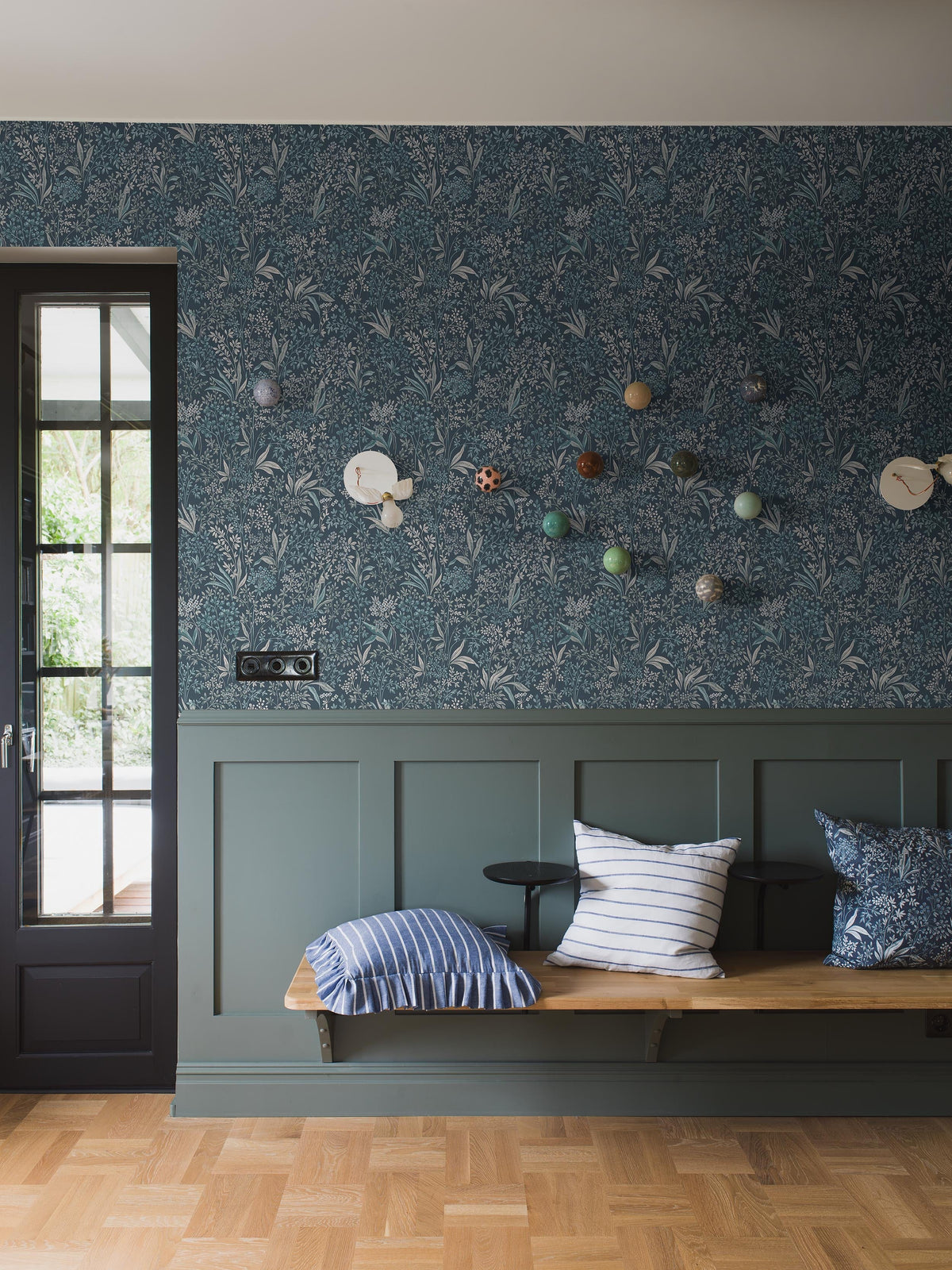
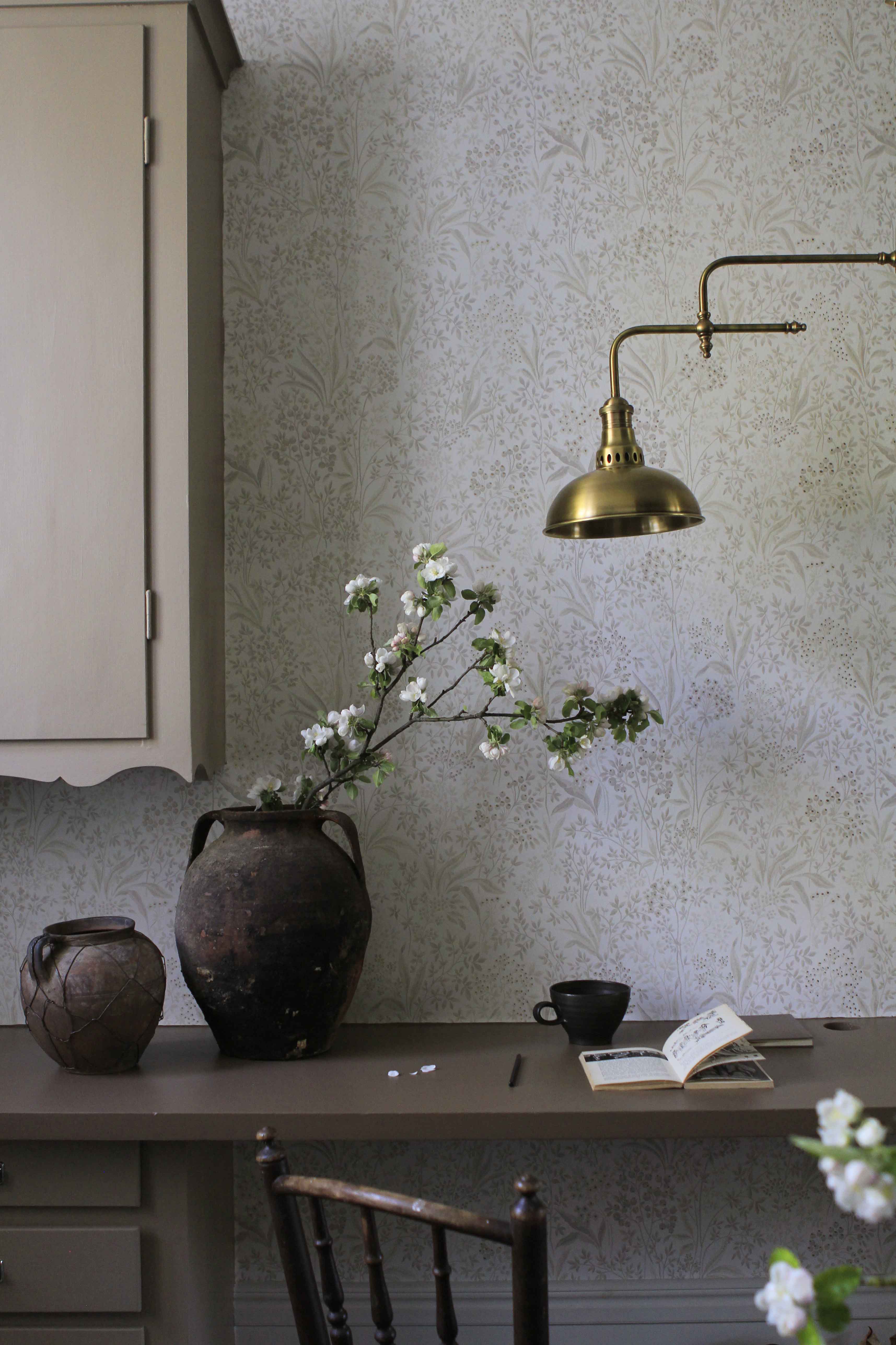
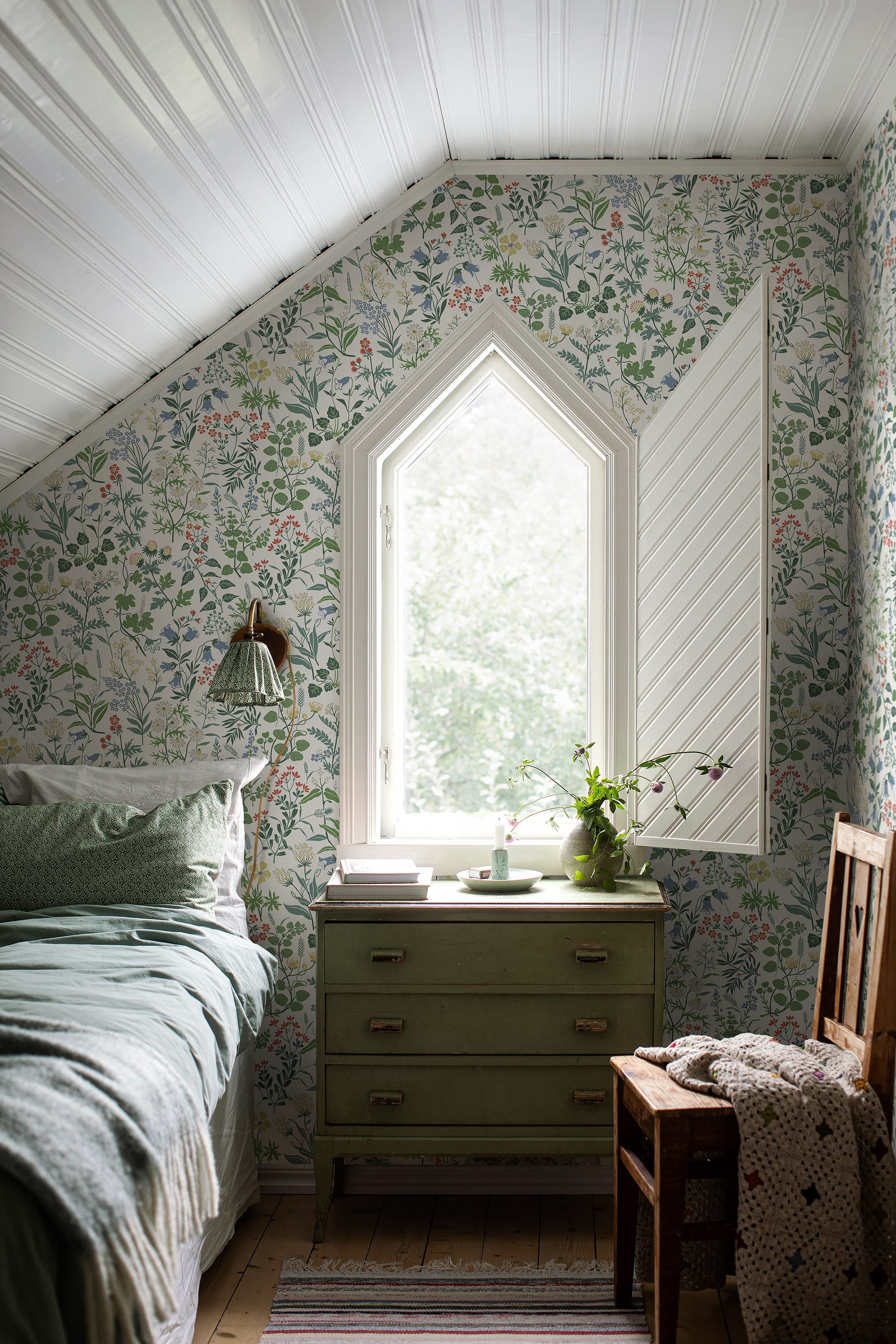
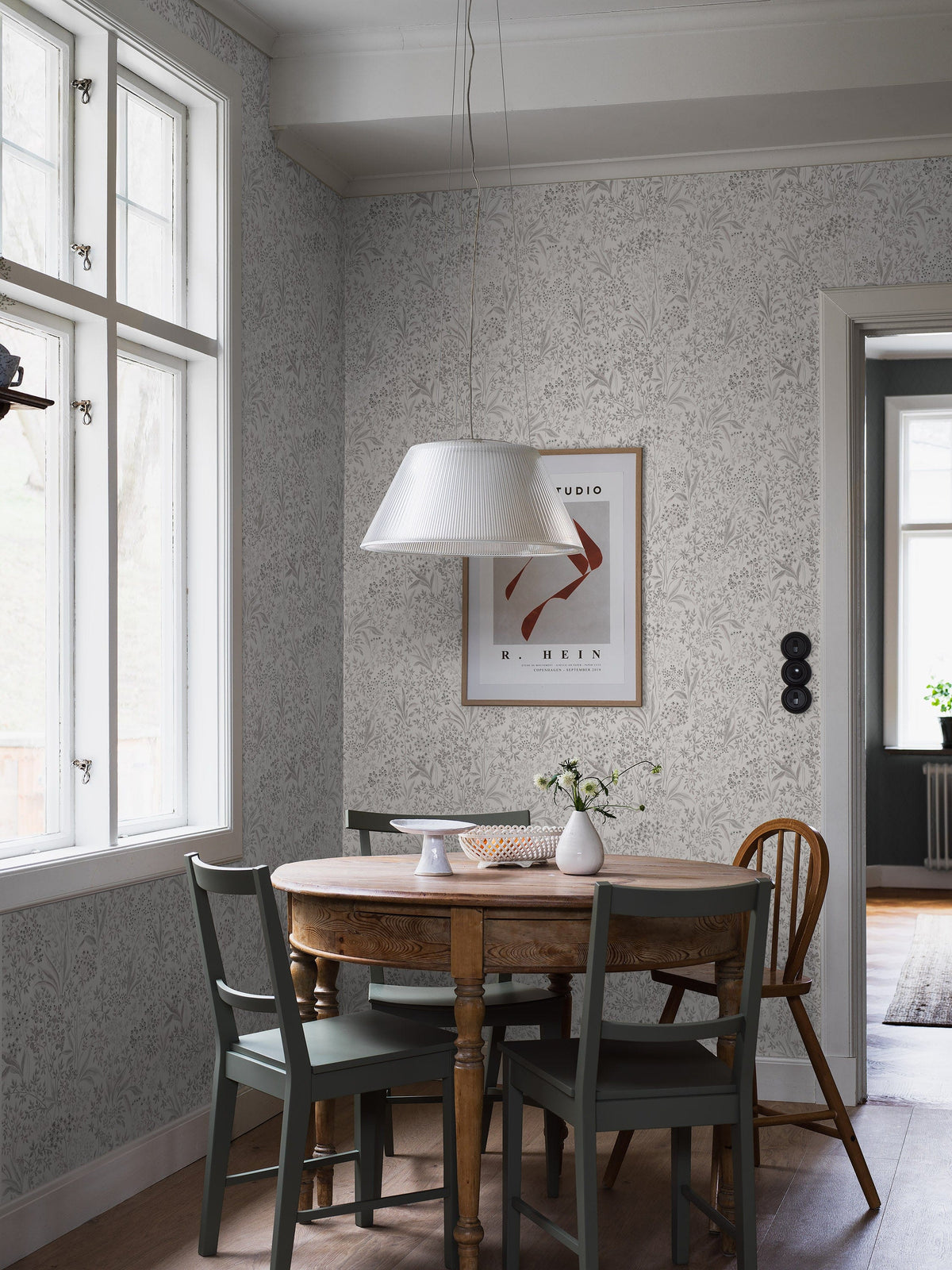
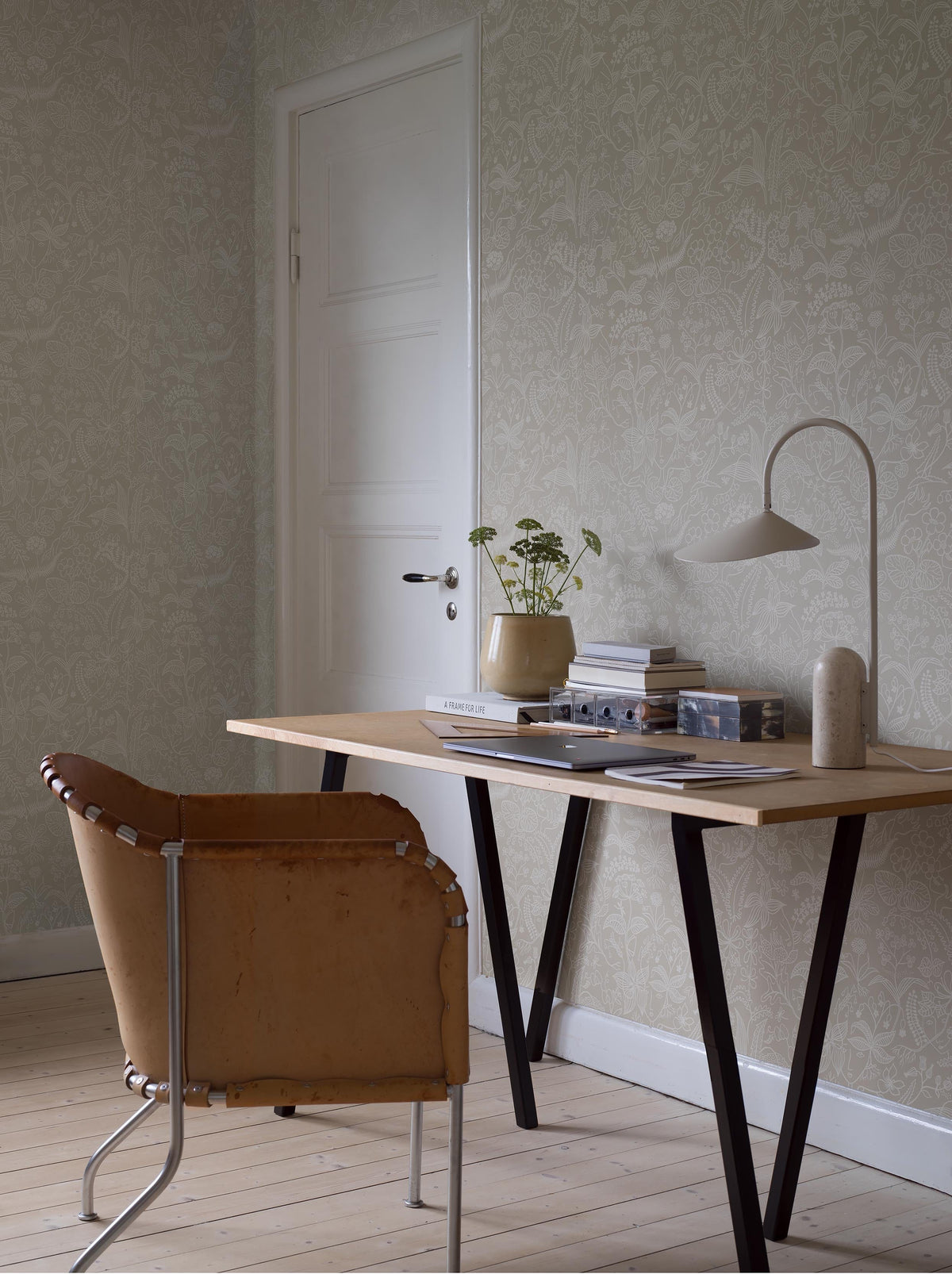
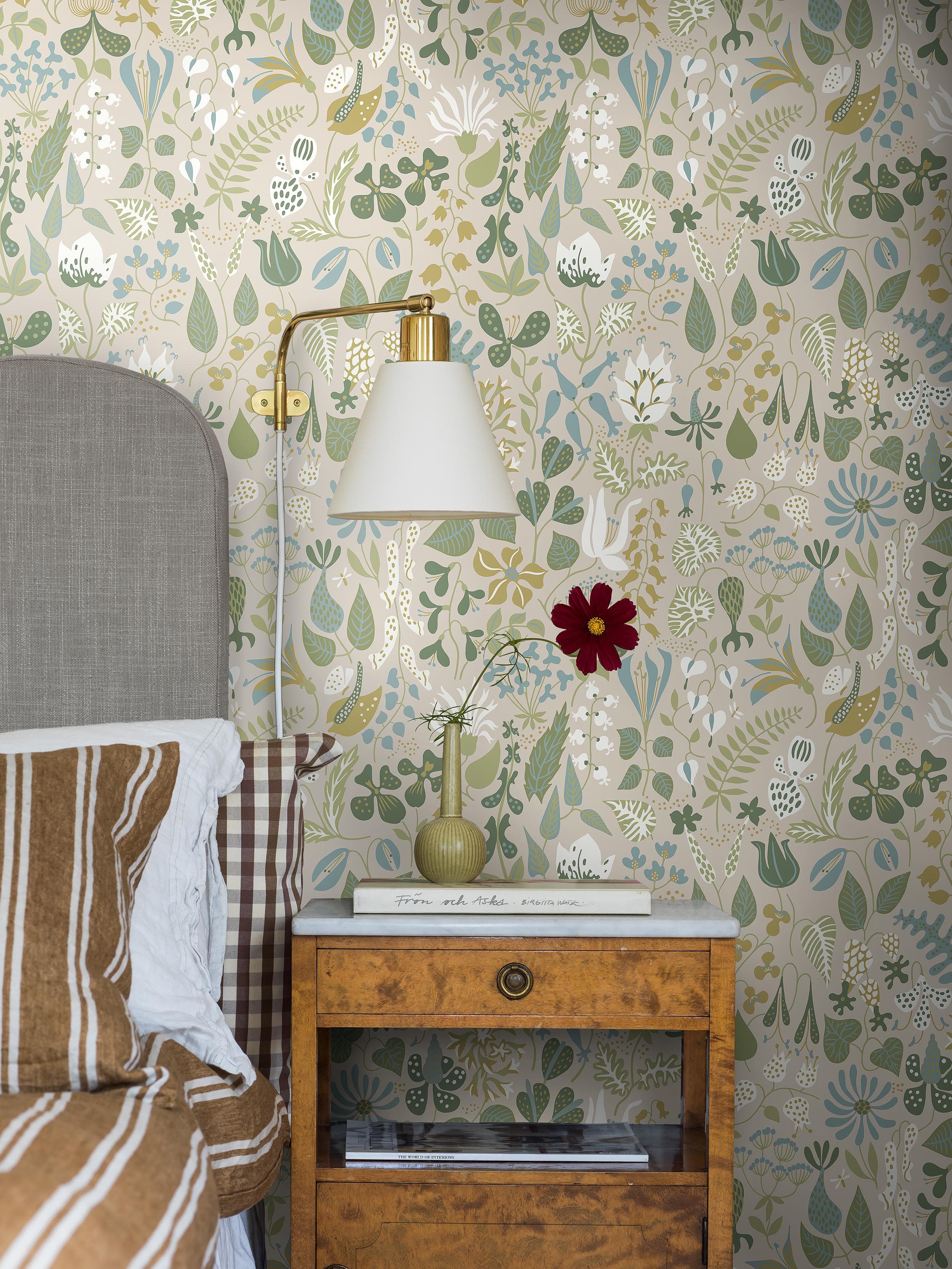
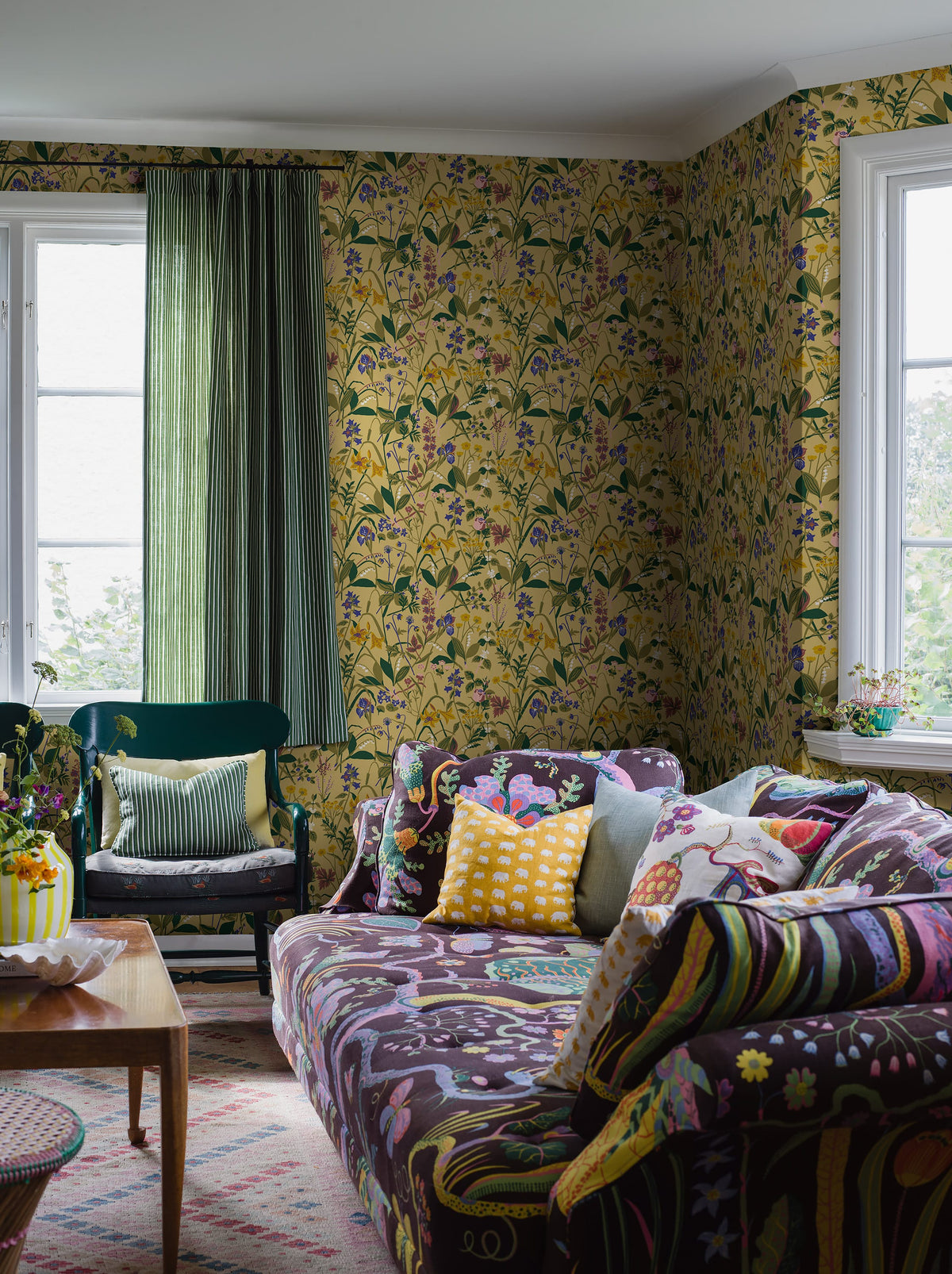
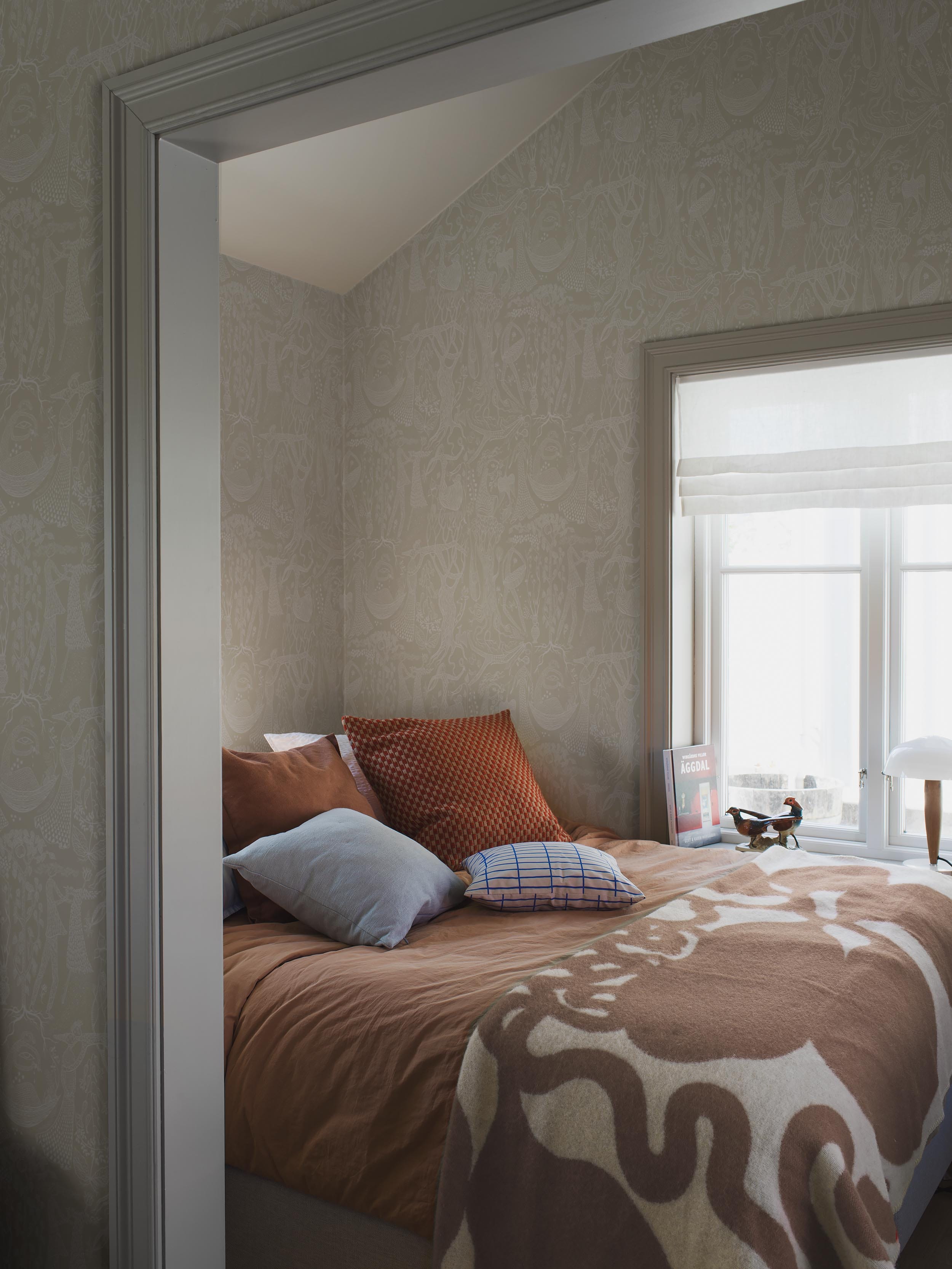
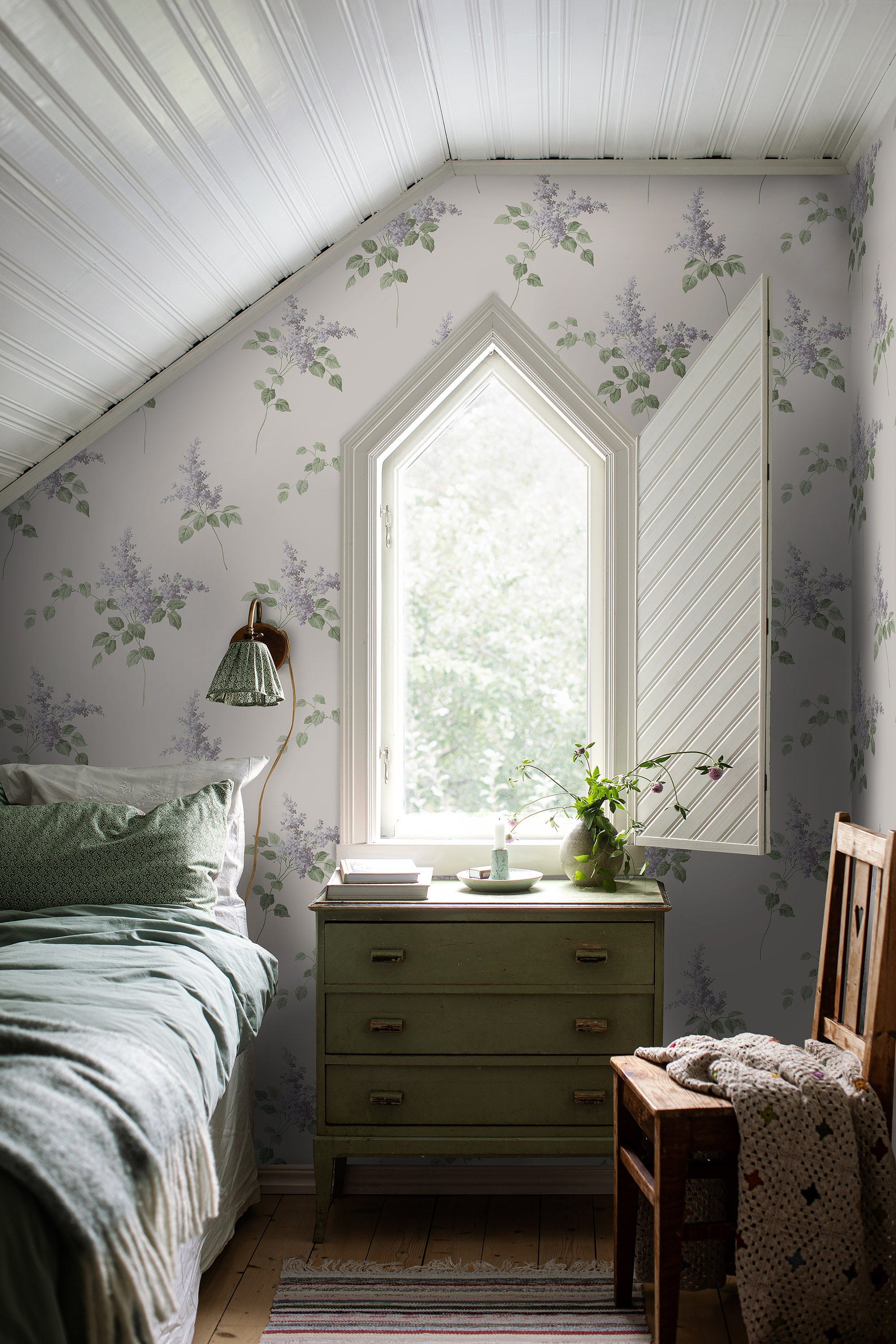
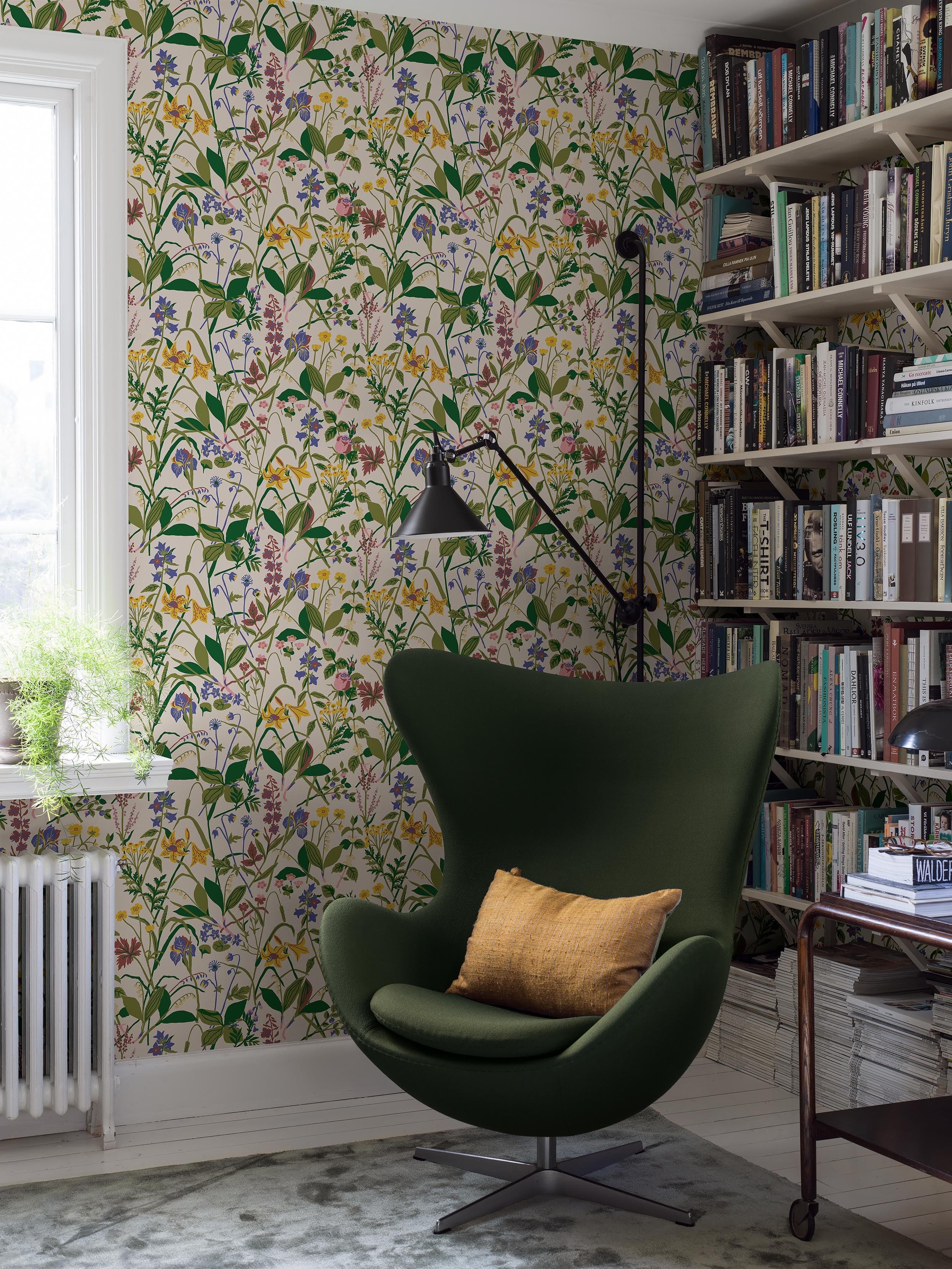
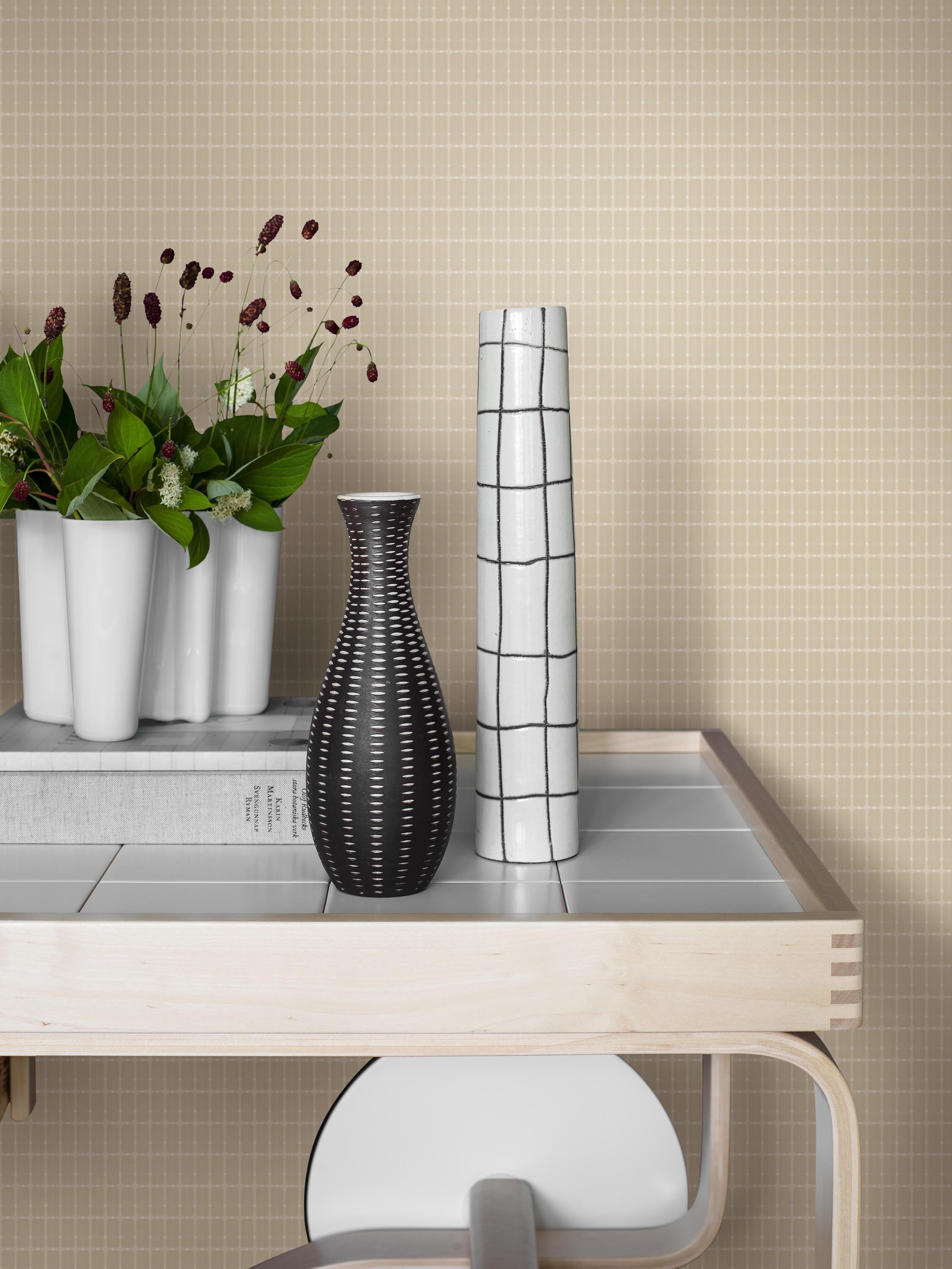
Wallpaper with uncoloured, beige bases and simple floral vines was common during the war years of the 1940s. As life returned to normal after the war, the 1940s wallpapers then got somewhat bolder patterns and colors, but small-scale funky wallpapers in light, calm color scales (preferably pastels) were popular for a long time.
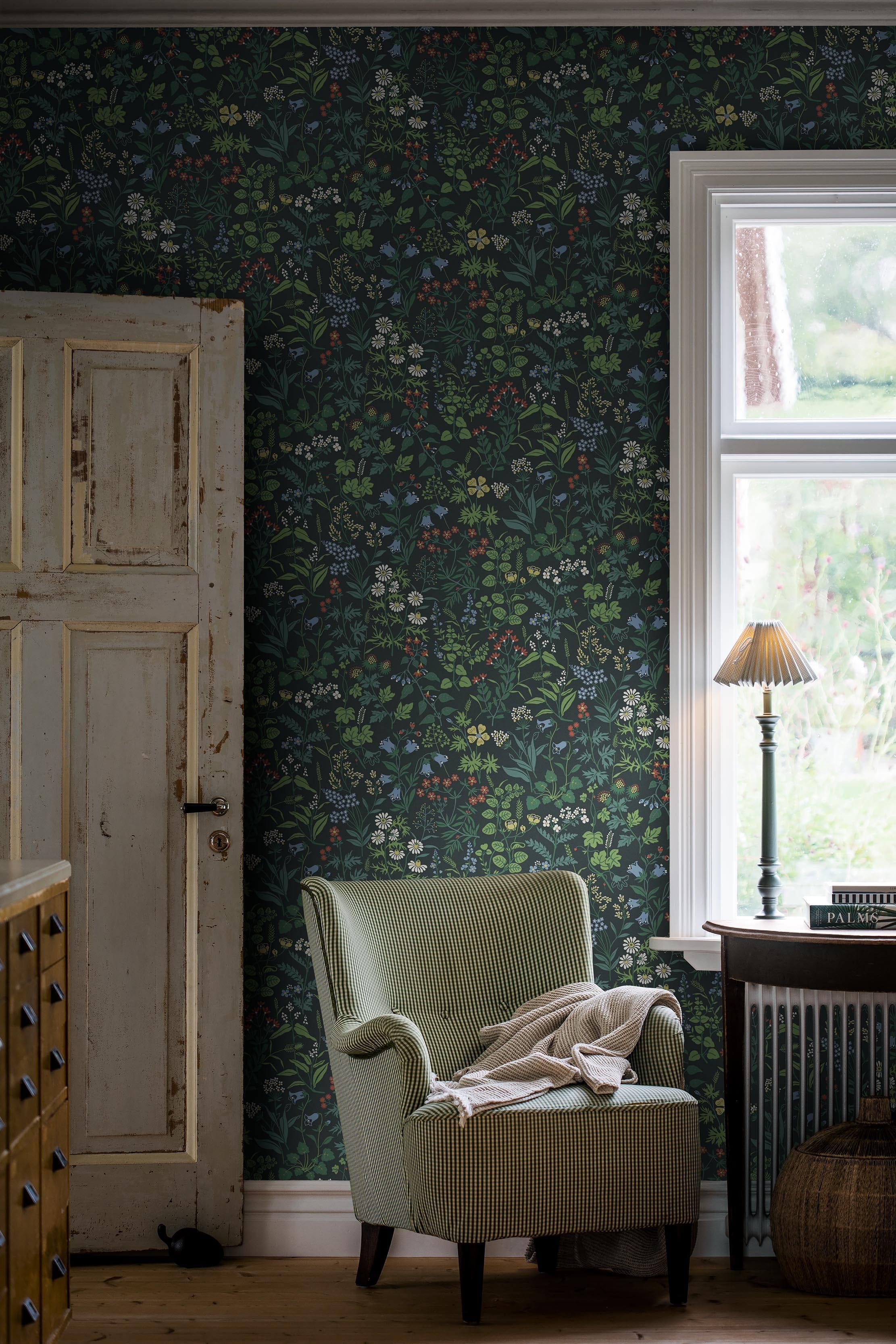
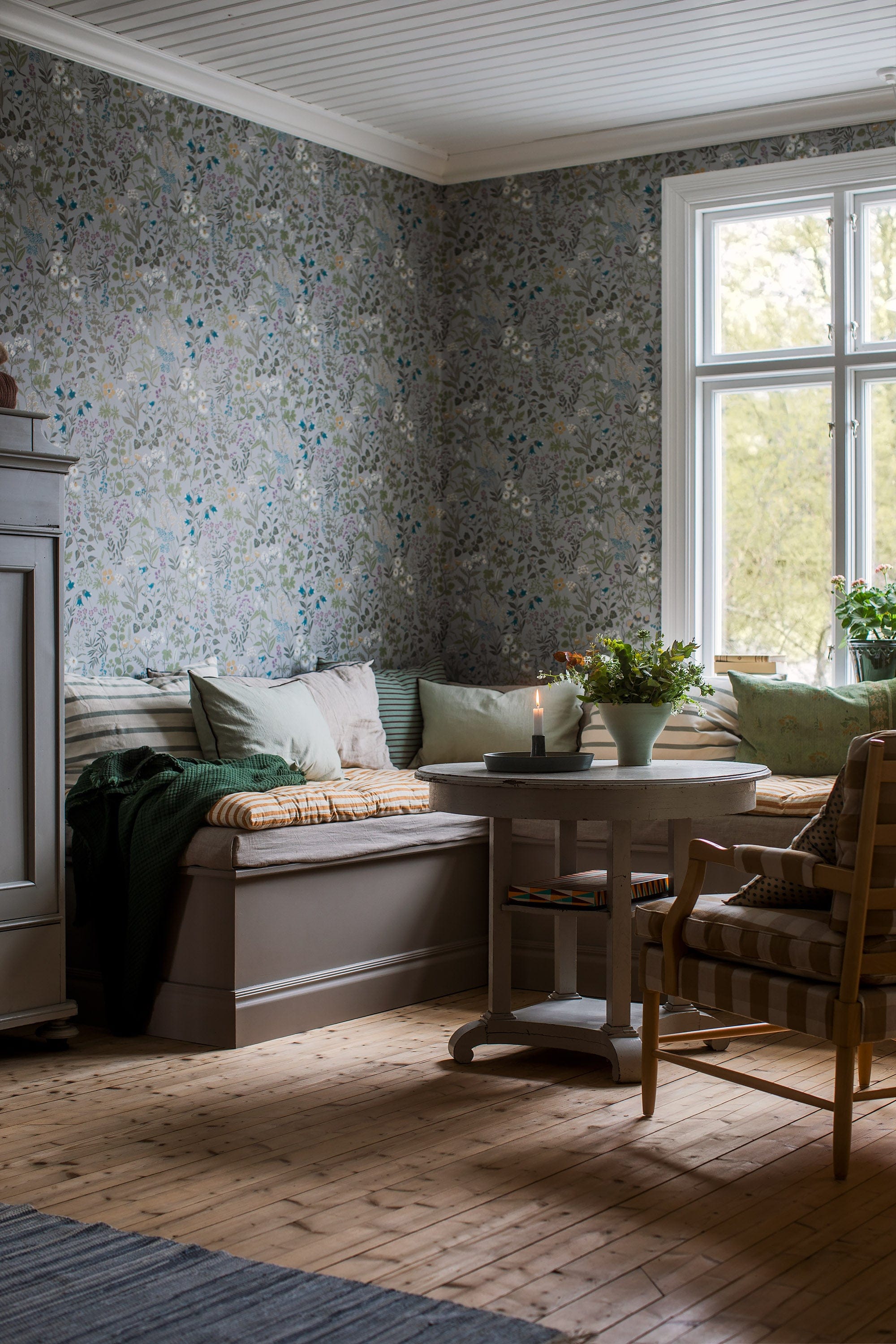
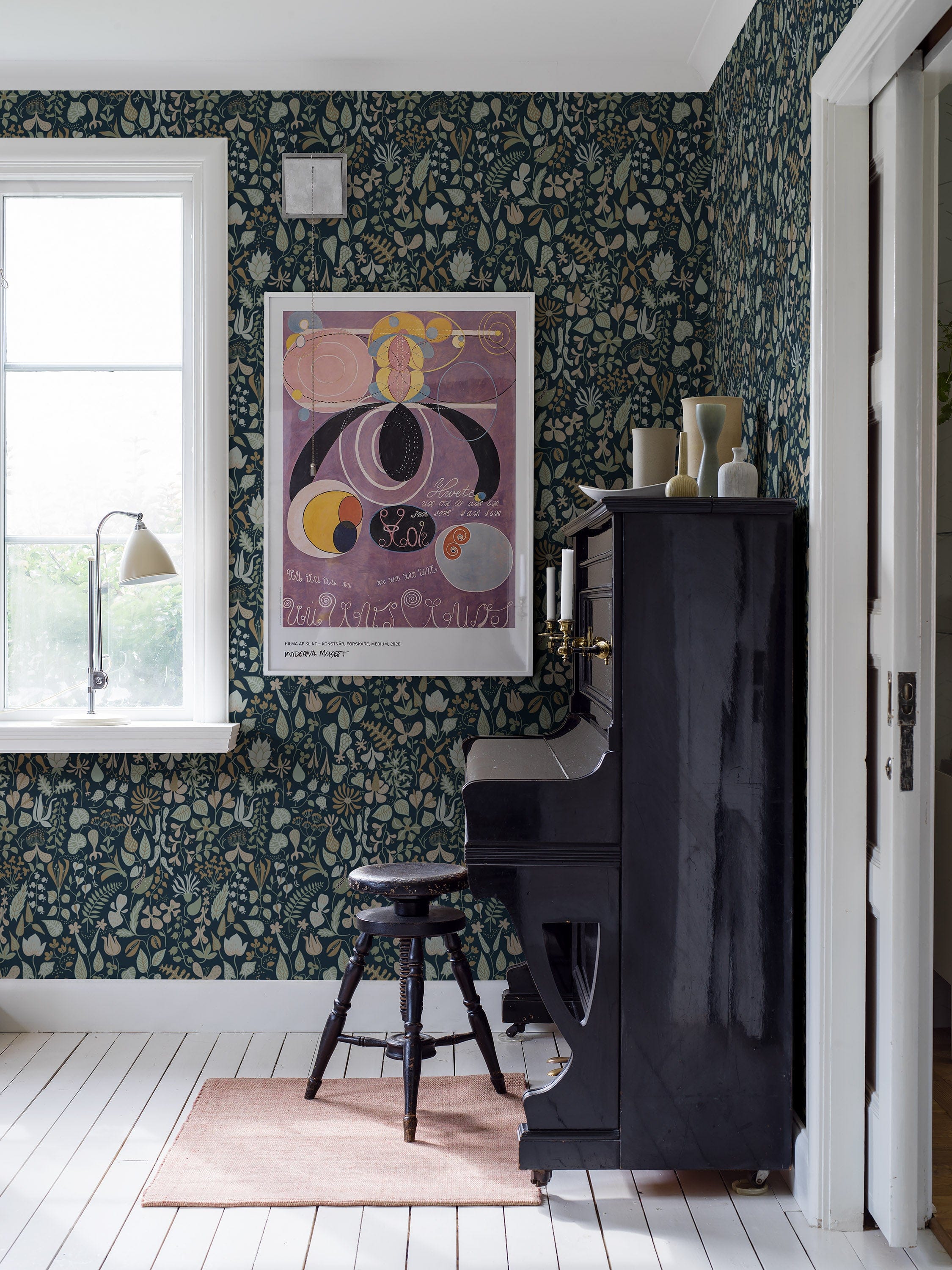
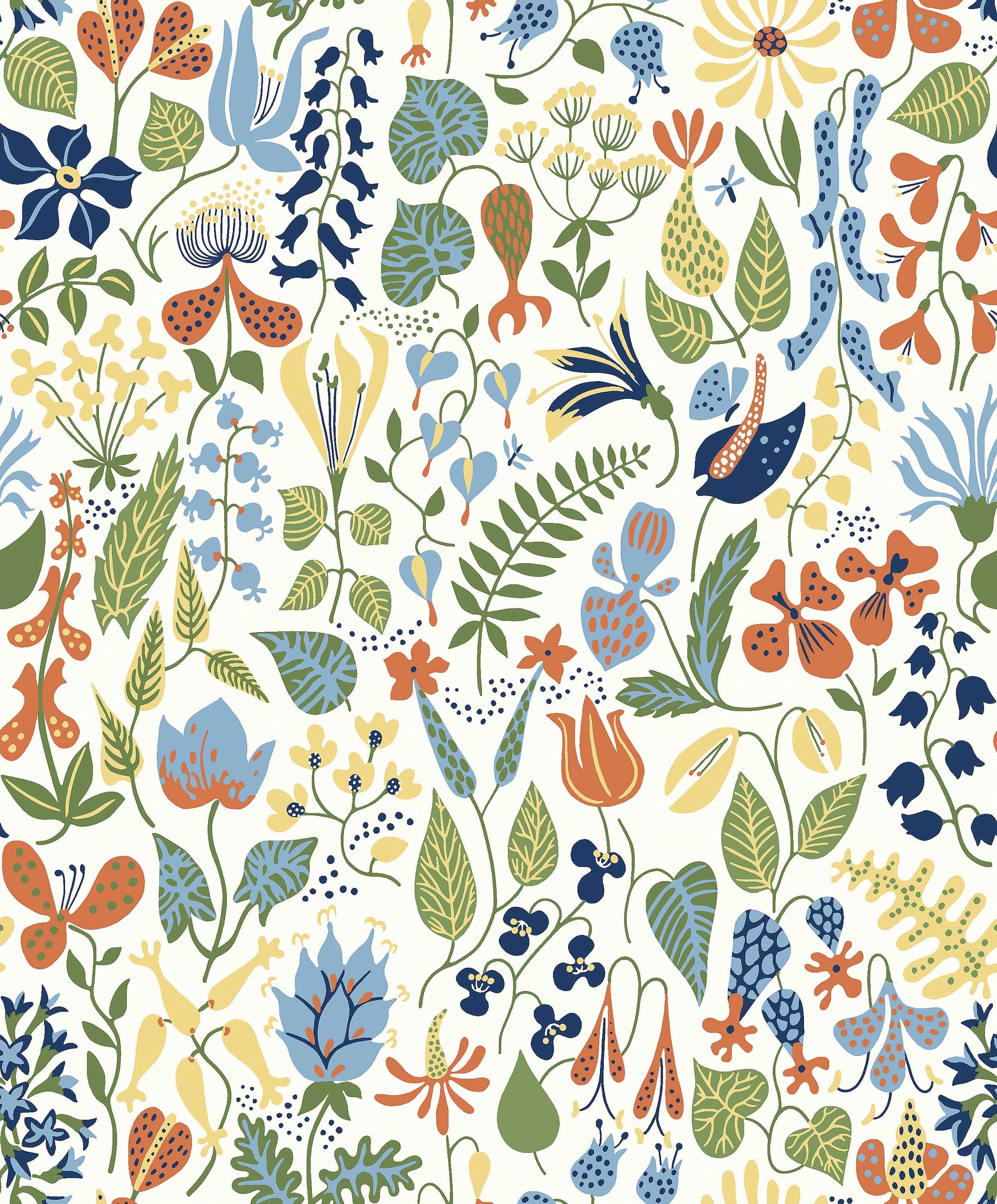
Despite the dominance of funkis, during this period there was also a craze for floral patterns with a softer and more intimate expression. During the war years, the demand for this type of homely wallpaper increased. One of our most influential wallpaper designers from the 1940s was Josef Frank. His iconic designs are characterized by colorful, lush motifs – a lively, lustful counterbalance to the austere ideals of funkism.

1950s wallpaper

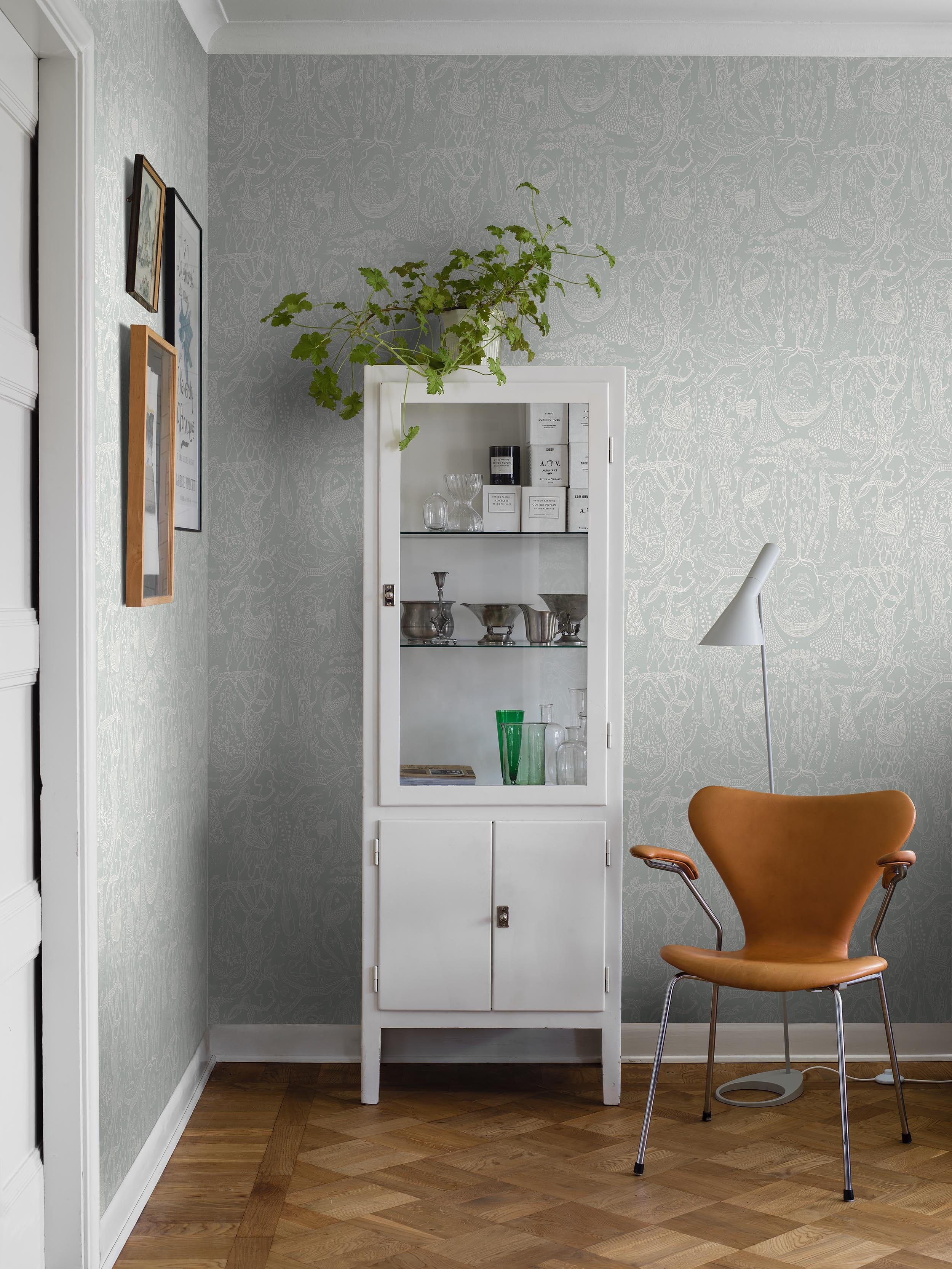
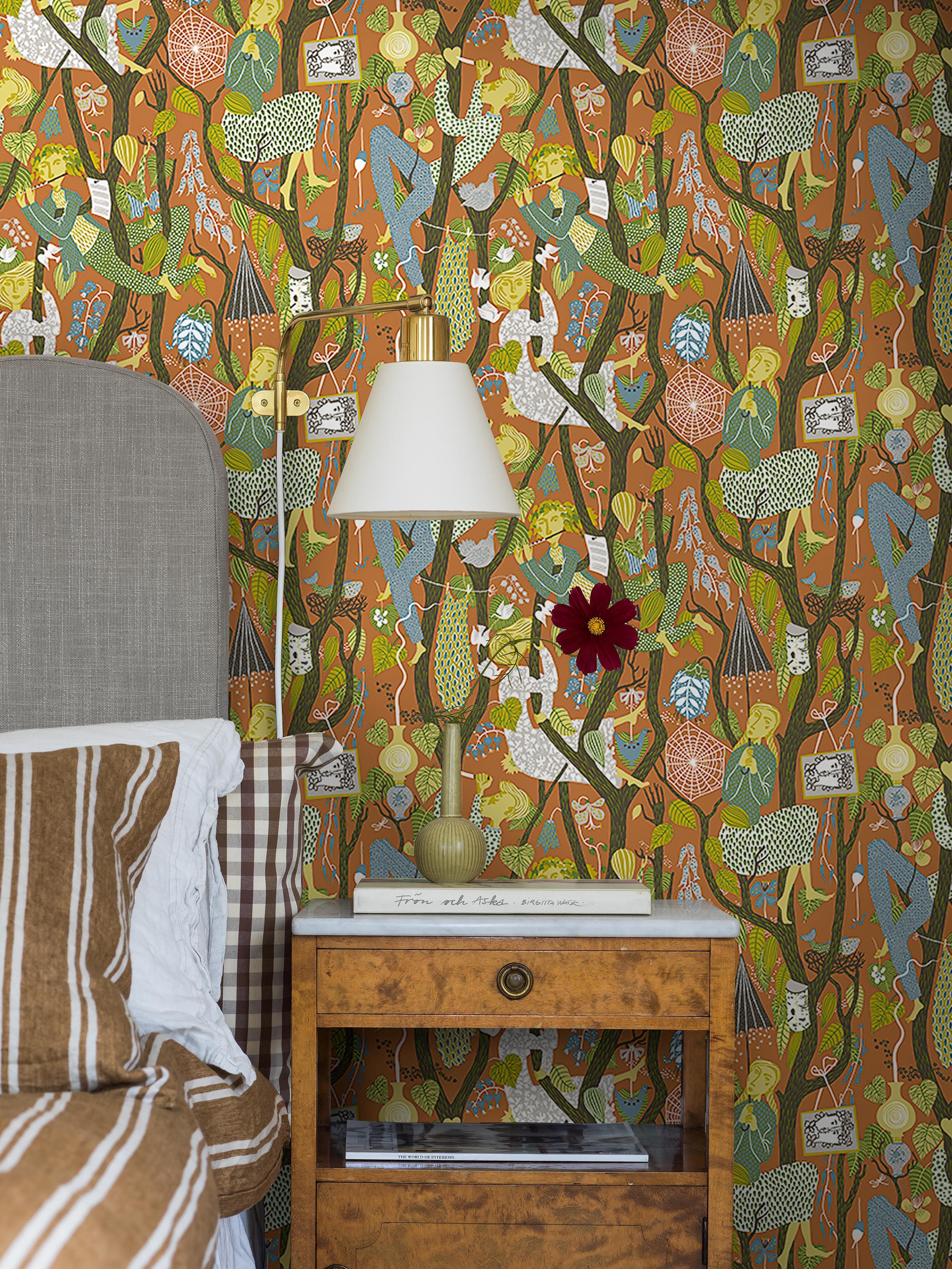
Many of the most beloved wallpapers of the 1950s were created by famous pattern makers and designers such as Josef Frank, Arne Jacobsen and Stig Lindberg. The entire industry breathed optimism and creativity after the difficult war years.
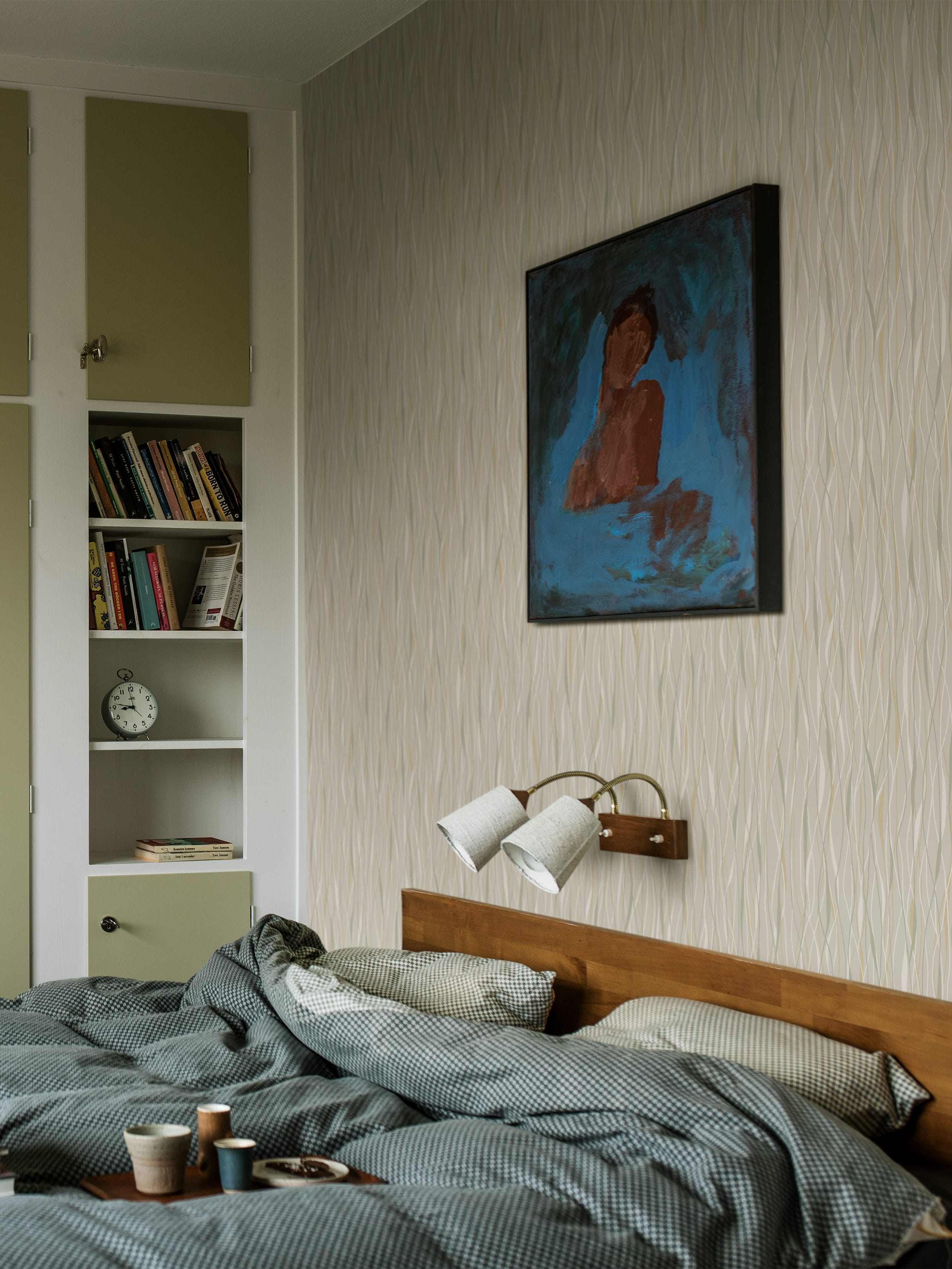
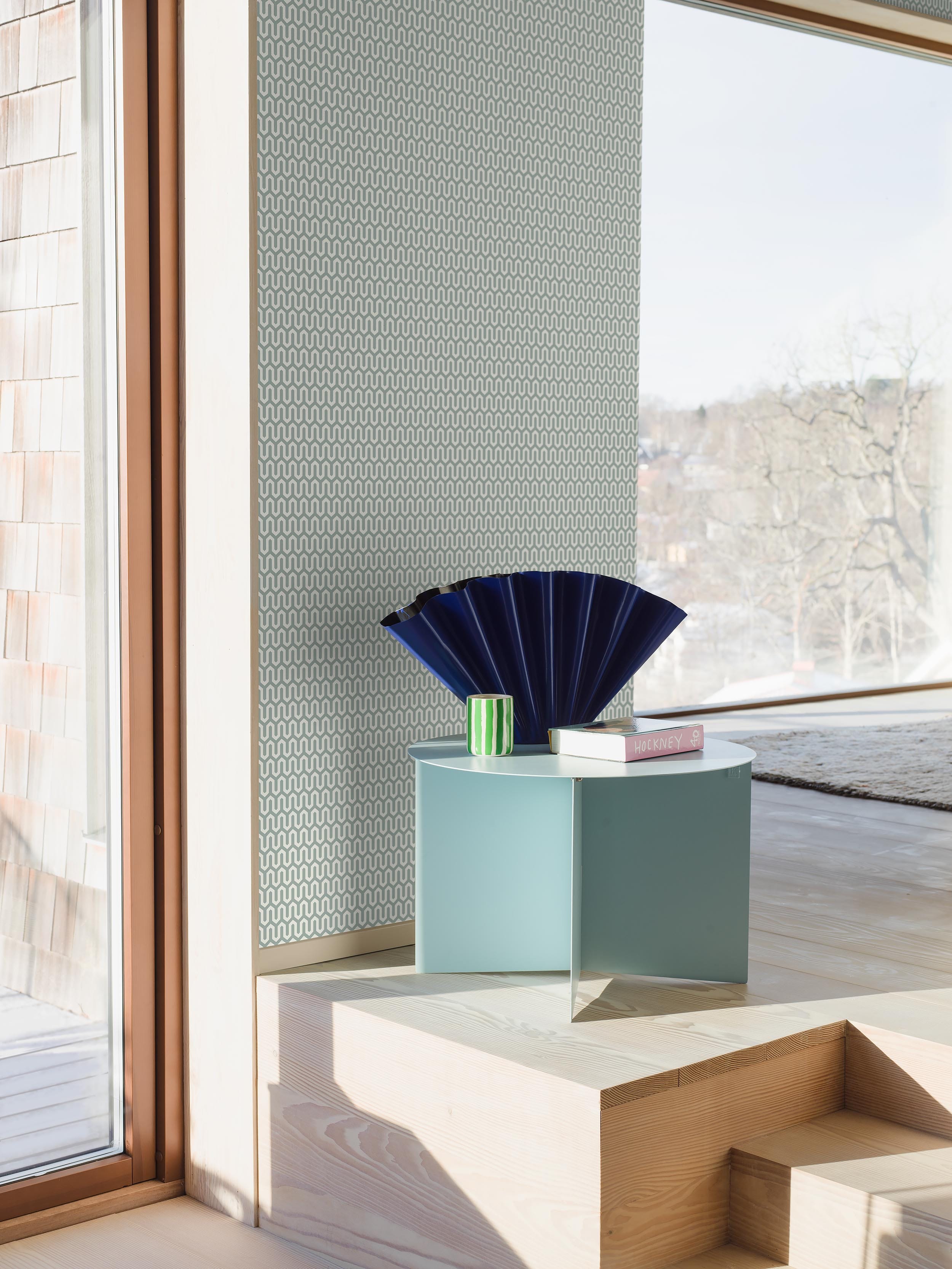
A typical funky wallpaper from the 1950s is adorned with an abstract pattern, preferably with playful geometric shapes. The color scheme is often light with touches of pastel on a gray background.
We also see some bolder 1950s wallpapers that were very innovative for the time. Now, for example, the more expressive fondant wallpapers made their way into Swedish homes, a retro trend that grew stronger in the coming decades.
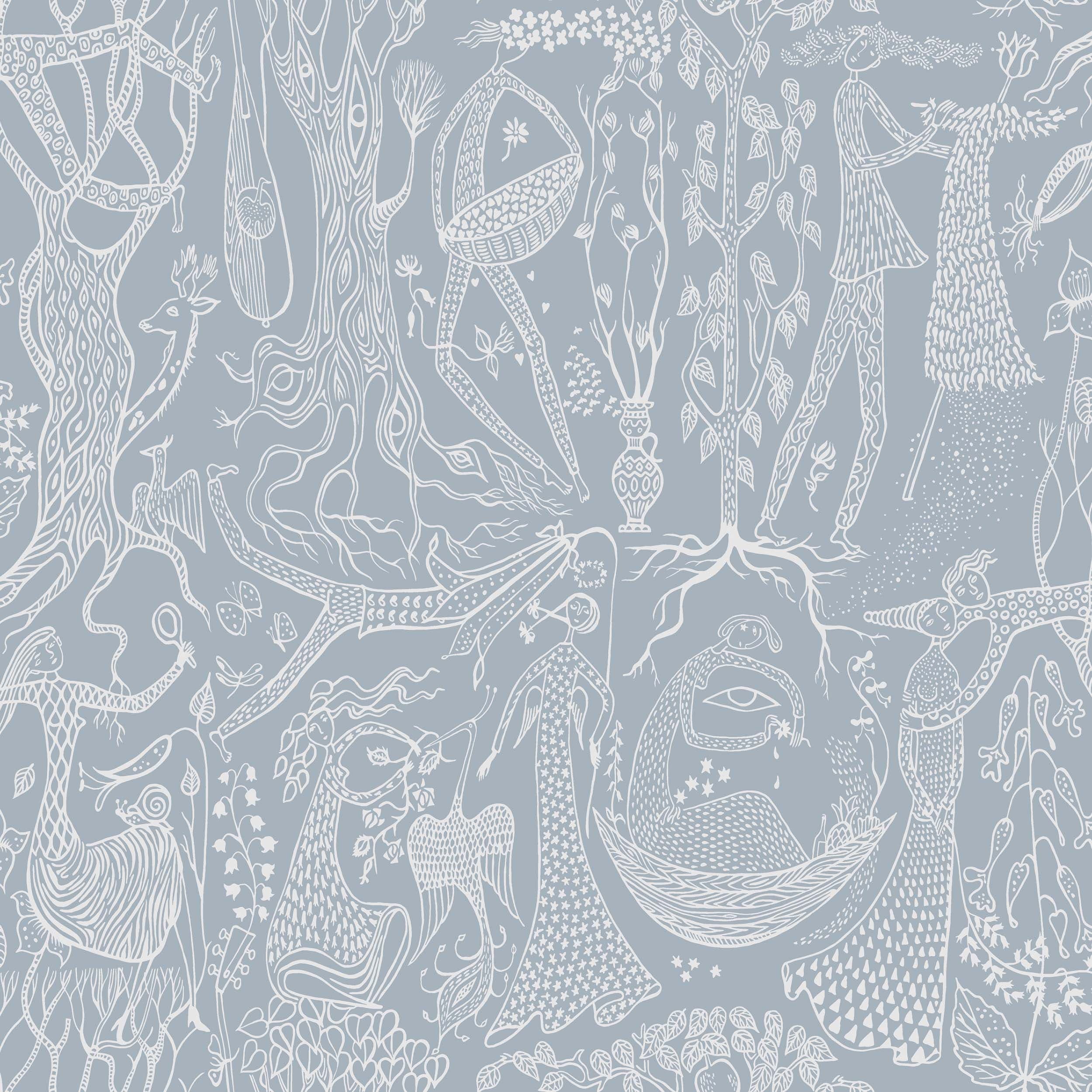
Many 1950s wallpapers also received patterns adapted to the function of the room. A trend-sensitive 1950s home could, for example, have wine bottles or fried chickens on the kitchen wallpaper and animal or fairytale figures on the walls in the children's room.