19th century wallpaper
The 19th century was marked by an explosion of creative styles and the Swedish wallpaper industry developed more and more, also technically. With the arrival of the endless paper rolls, Swedish wallpaper makers could start producing wallpaper mechanically with roller printing. The rollers were made by cutting patterns out of round logs, each pattern image got its own pressure roller. Suddenly wallpaper became cheaper, and something that even ordinary people could afford to decorate their homes with.
The new styles
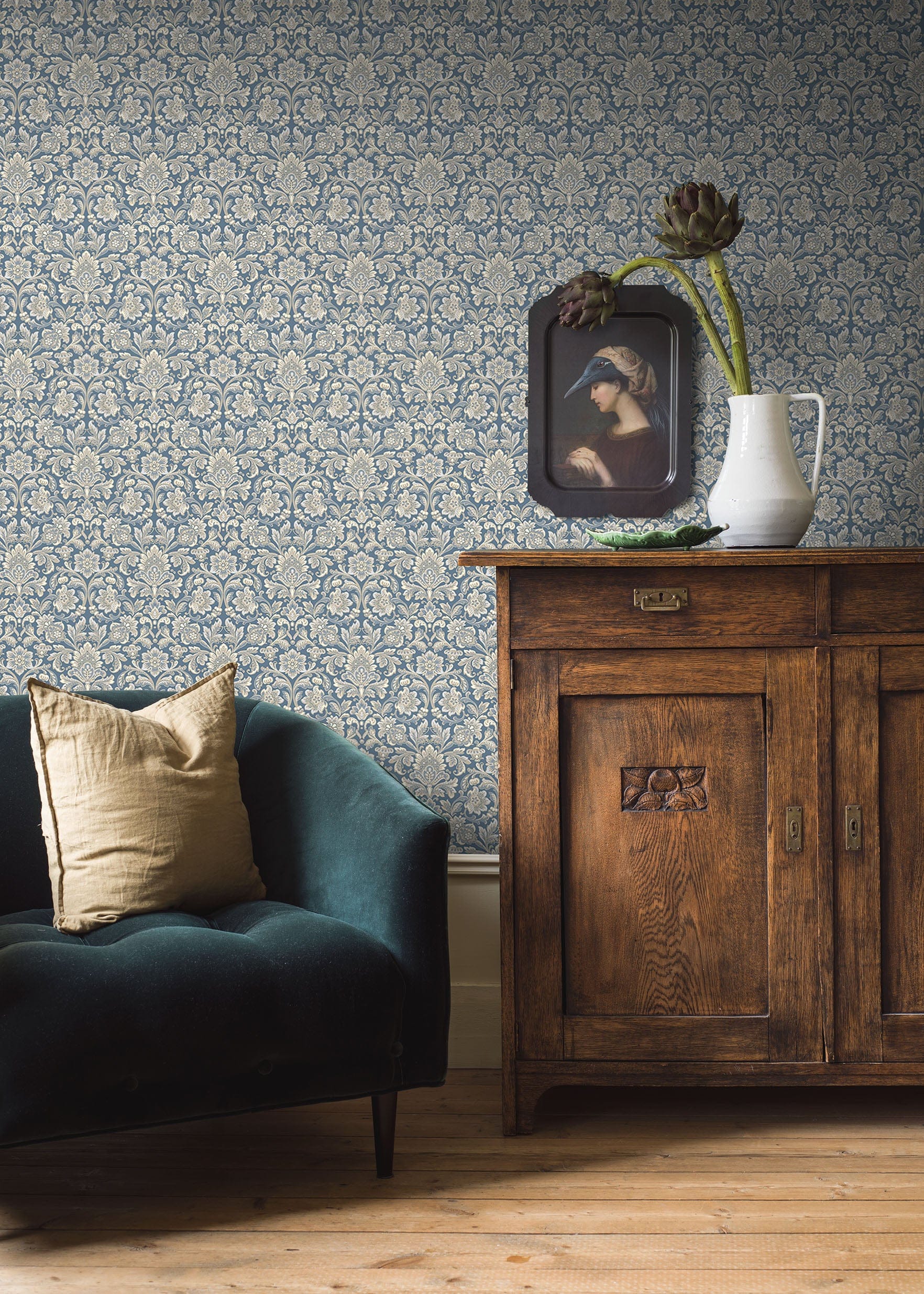
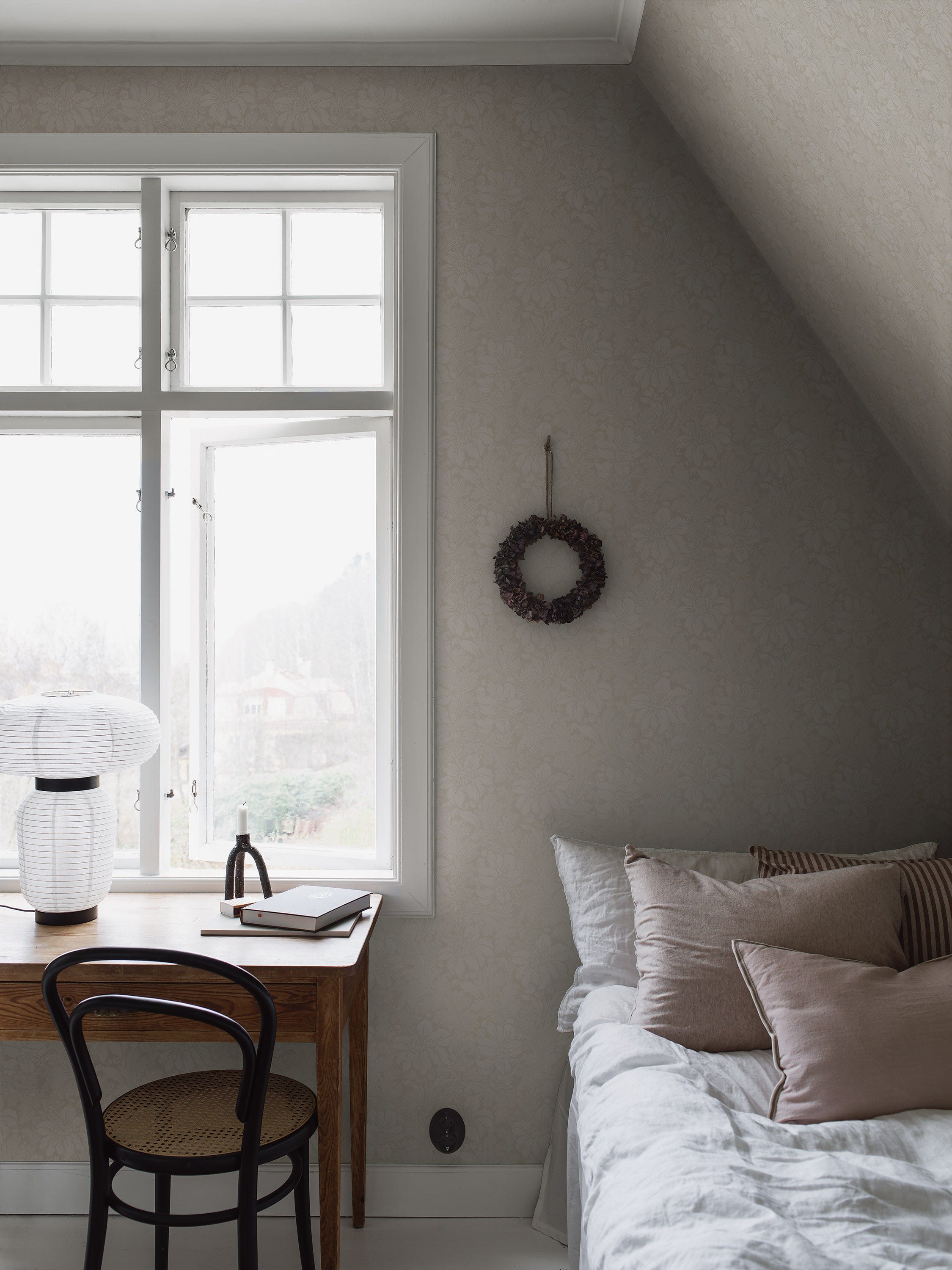
In terms of style, we sometimes talk about the "new styles" of the 19th century, and then mean, for example, neo-renaissance, neo-baroque and neo-rococo. The developed industrial technology breathed new life into the beautiful forms and patterns of the older eras. An example of this was Morris & Co who combined medieval influences with nature's organic forms. These timeless designs became increasingly popular during the 19th century, and Morris' old-fashioned wallpapers are popular even in dag.
Karl Johan, empire and neoclassicism
During the early 19th century, much inspiration was also drawn from Rome, Greece and Egypt. This style is therefore often called neoclassicism, but empire is another common name. In Sweden, we interpreted the pompous empire style in a Nordic way and the style is often called here Karl Johan-style, after the crown prince Karl XIV Johan who came to Sweden in 1810. Karl Johan-style is somewhat more muted and low-key than neoclassicism and empire.
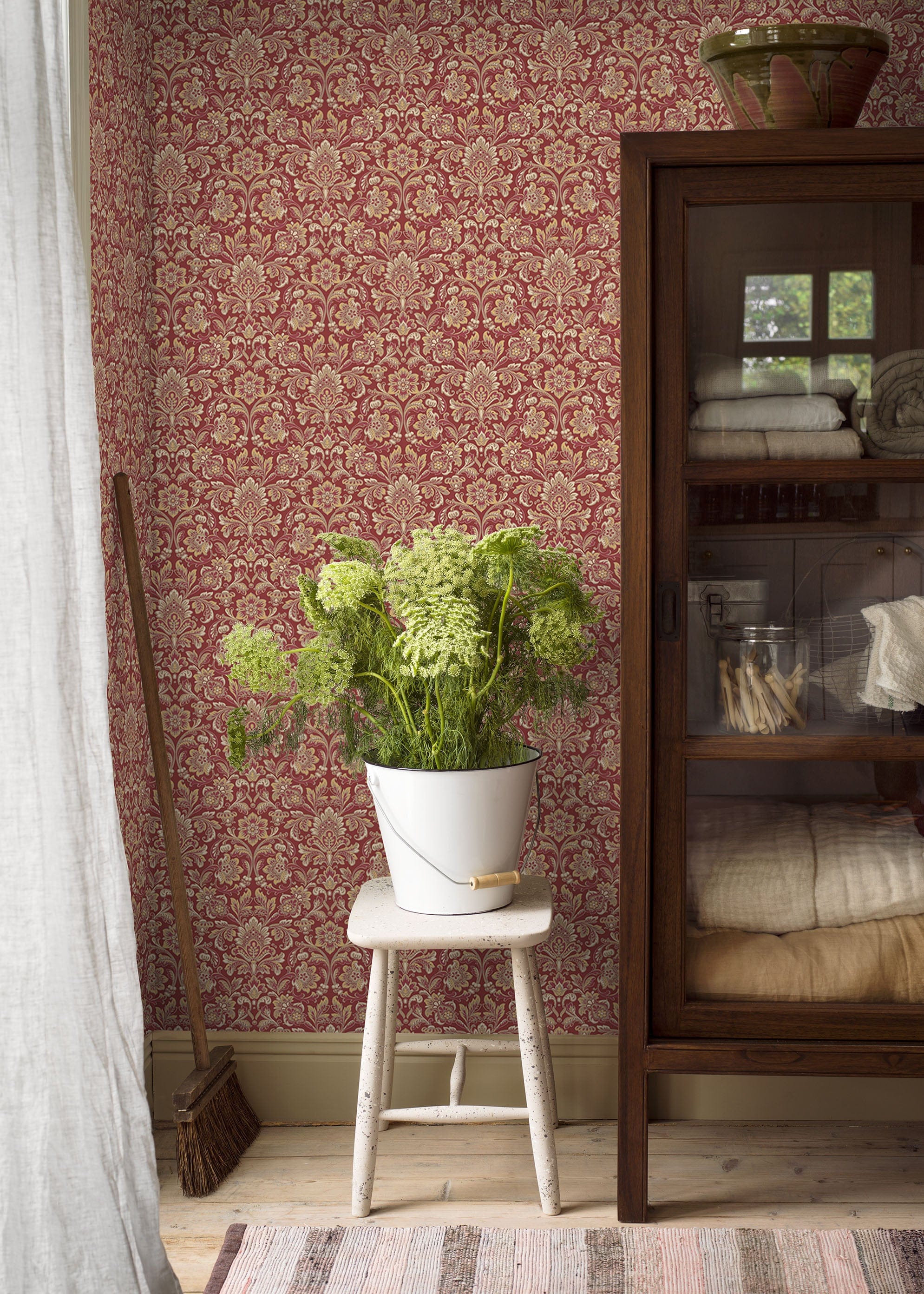
Typical motifs on old-fashioned wallpaper from this period are, for example, French lilies, tasseled draped fabrics, meander patterns and small stylized stars and flowers. The graceful, Gustavian design language had to give way to a grander aesthetic with considerably more weight, and strong colors such as red, blue and lemon yellow were happily matched with shimmering gold details.
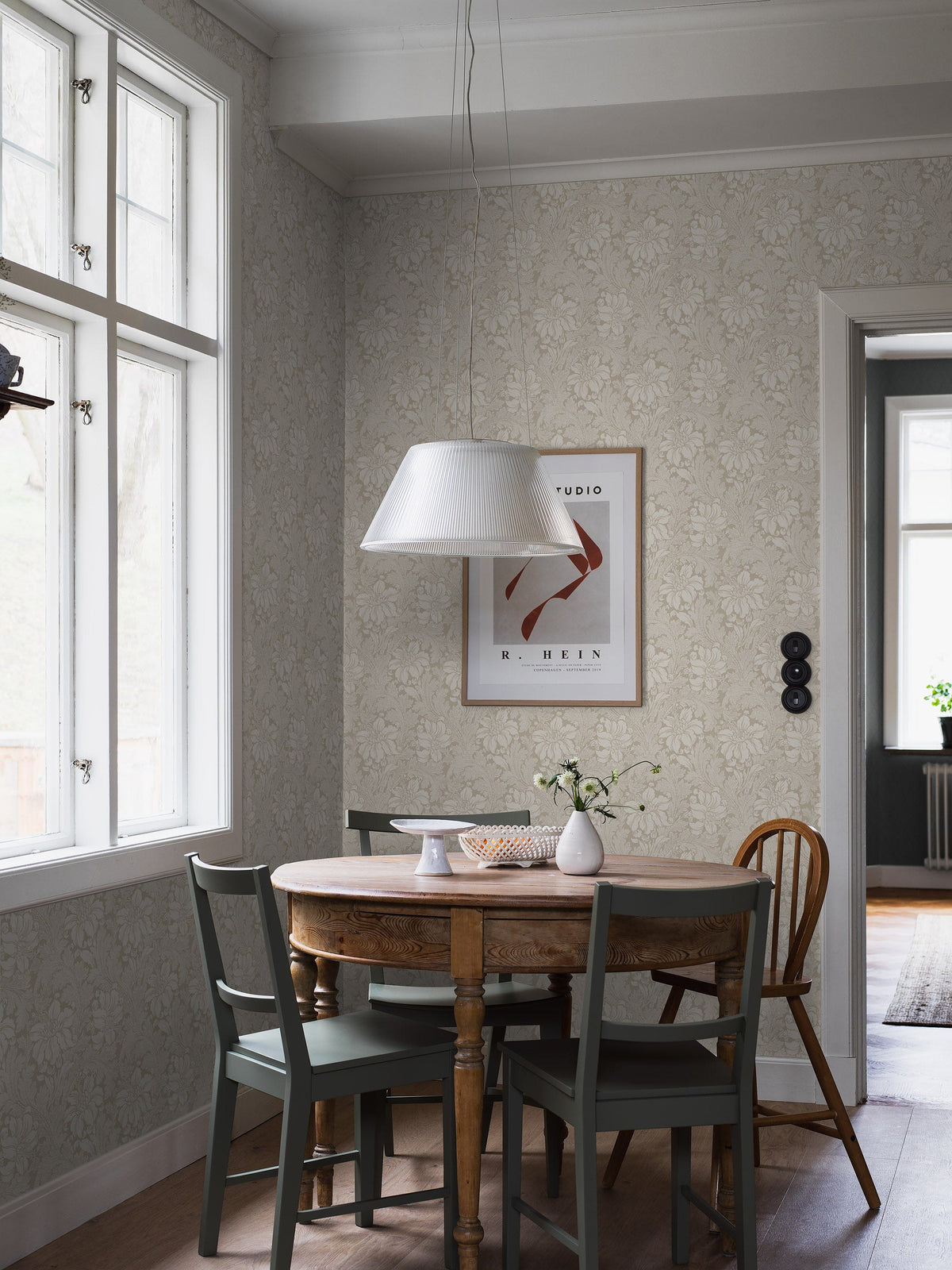
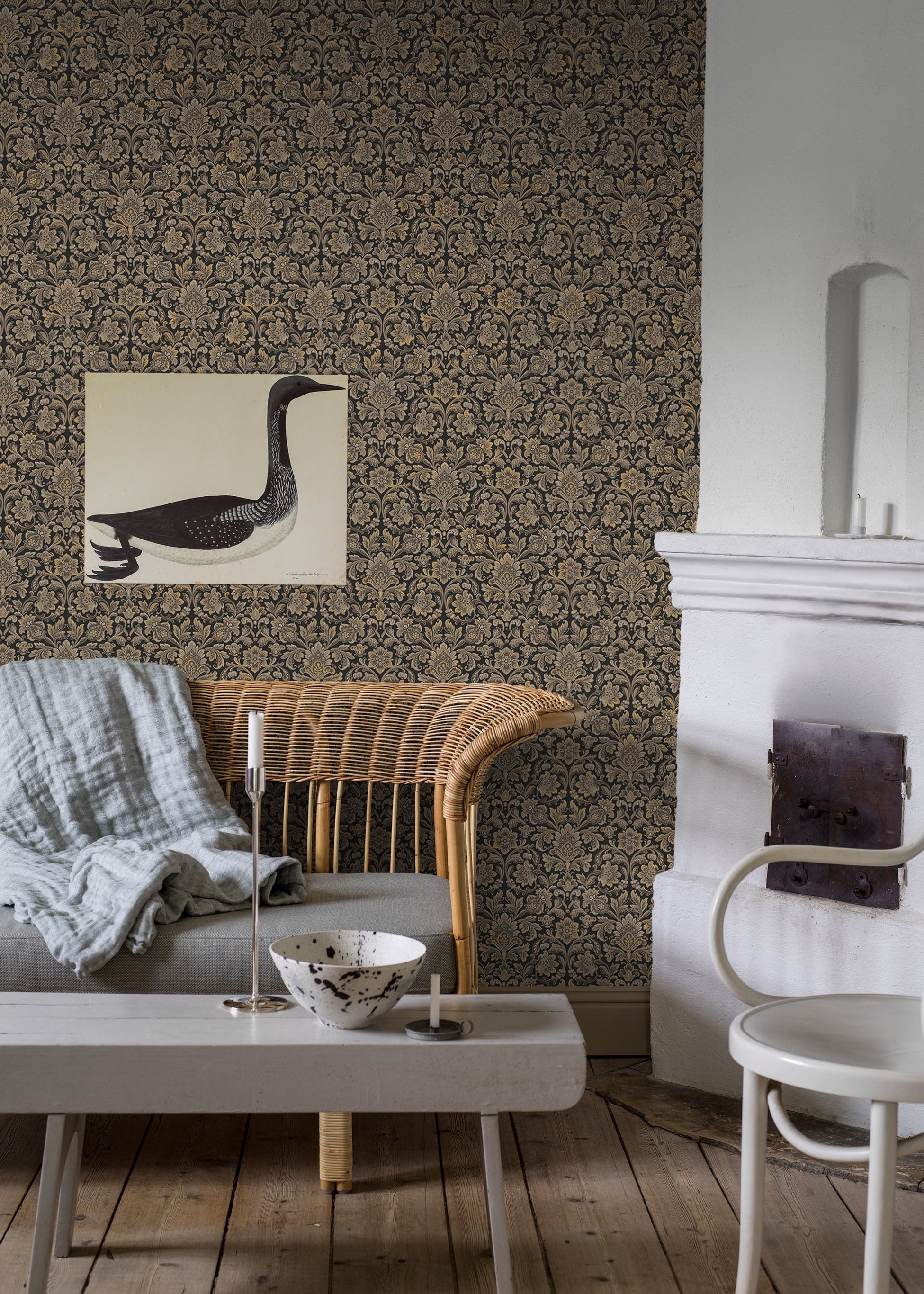
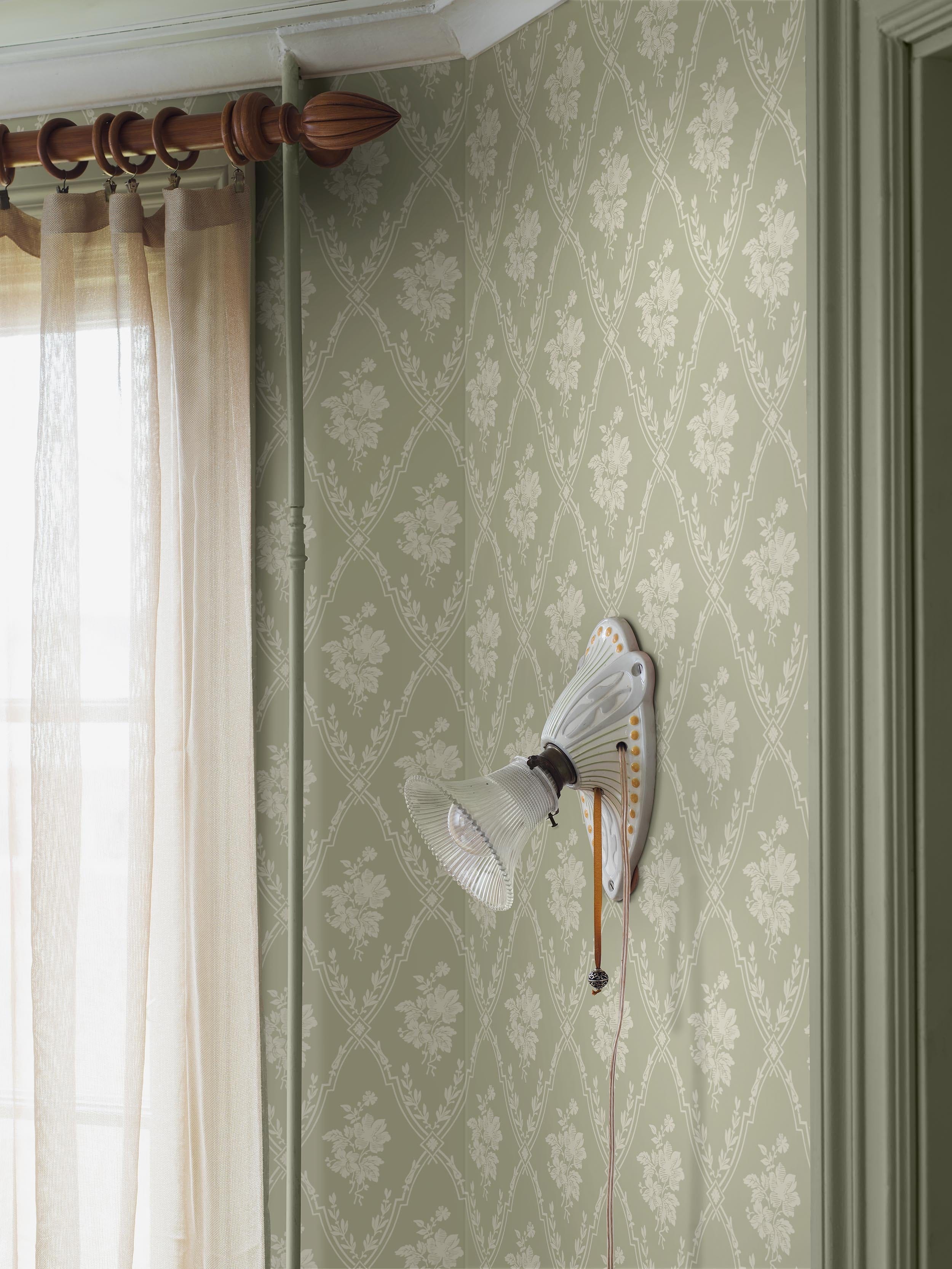
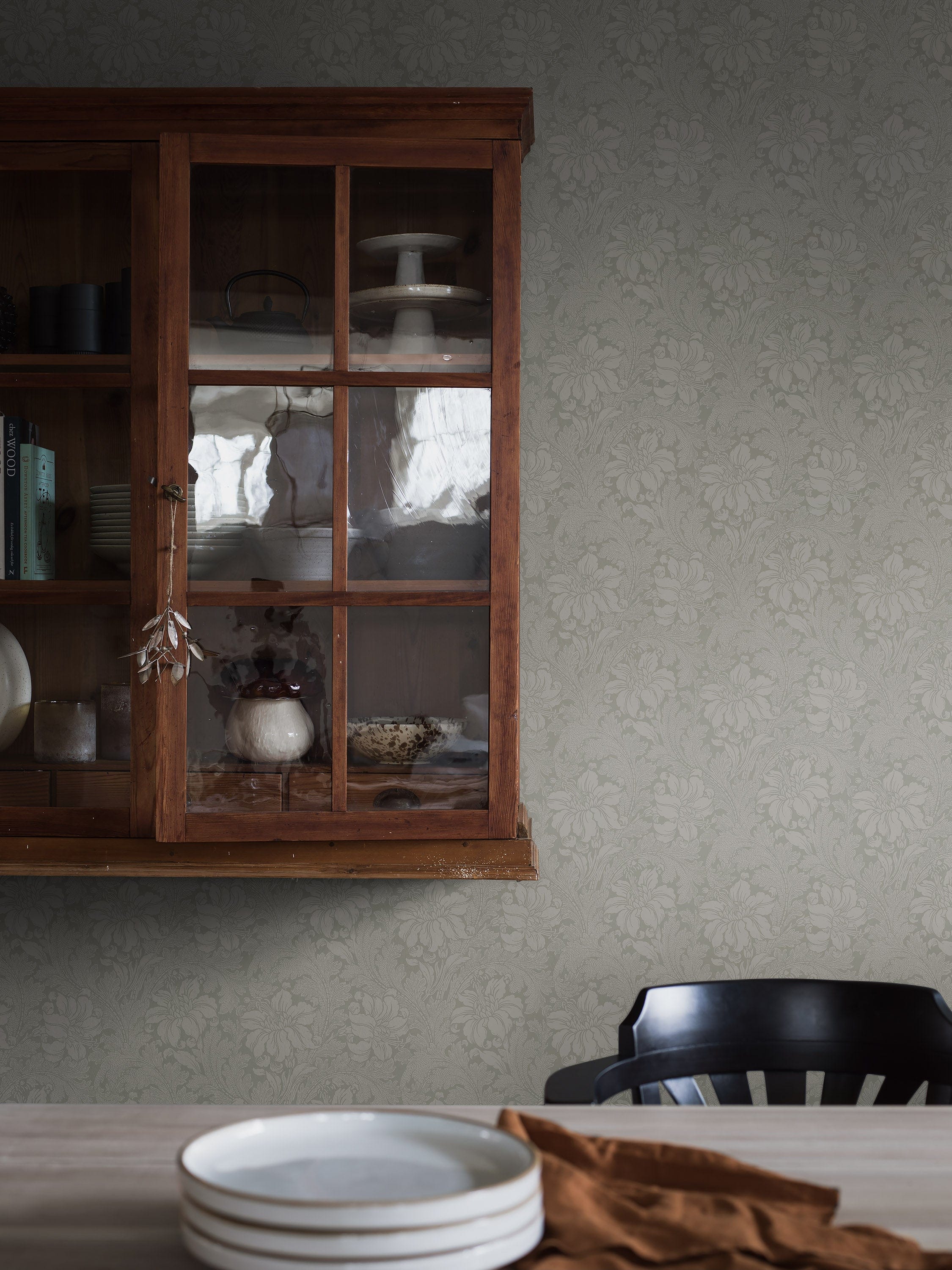
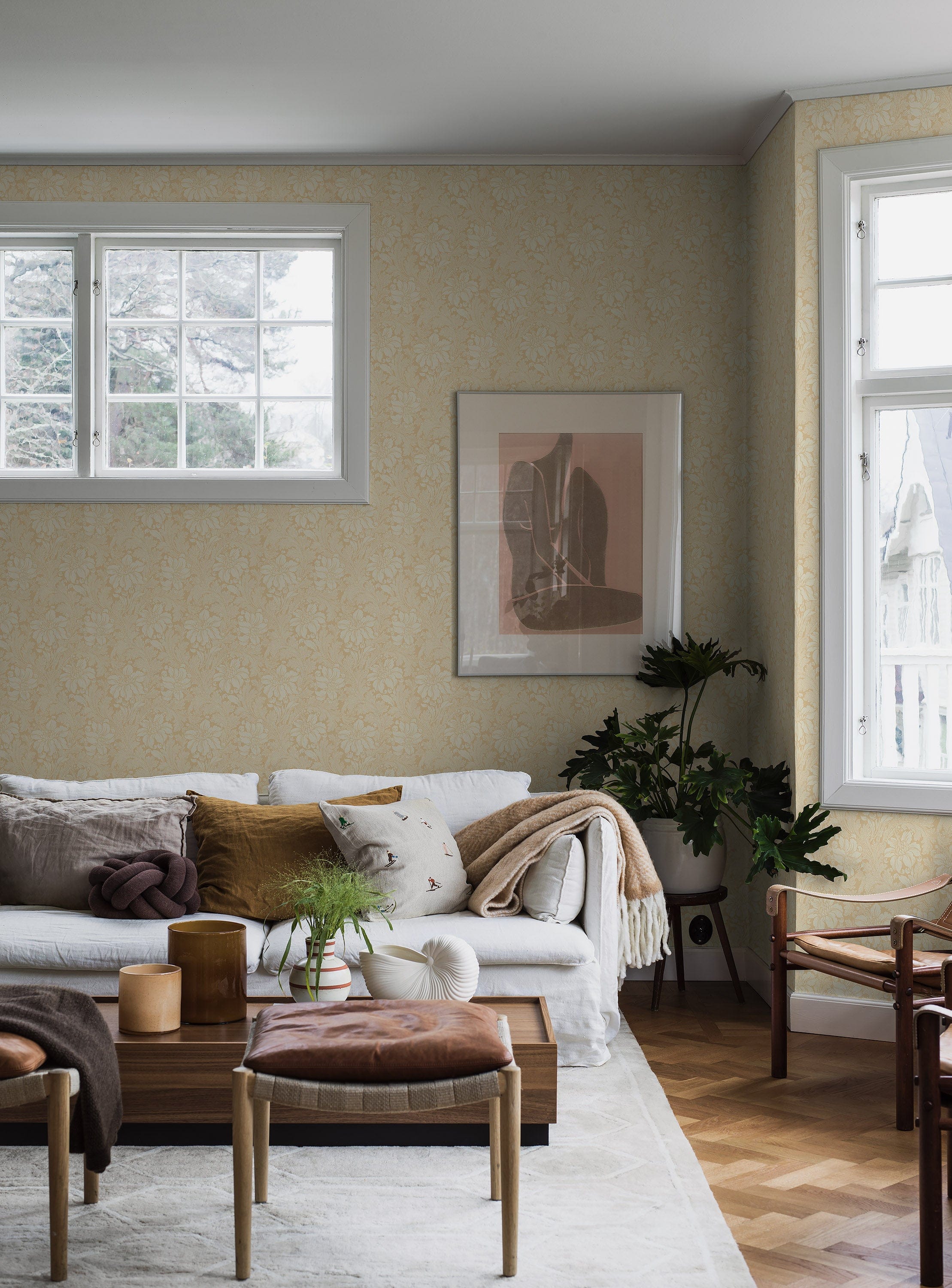
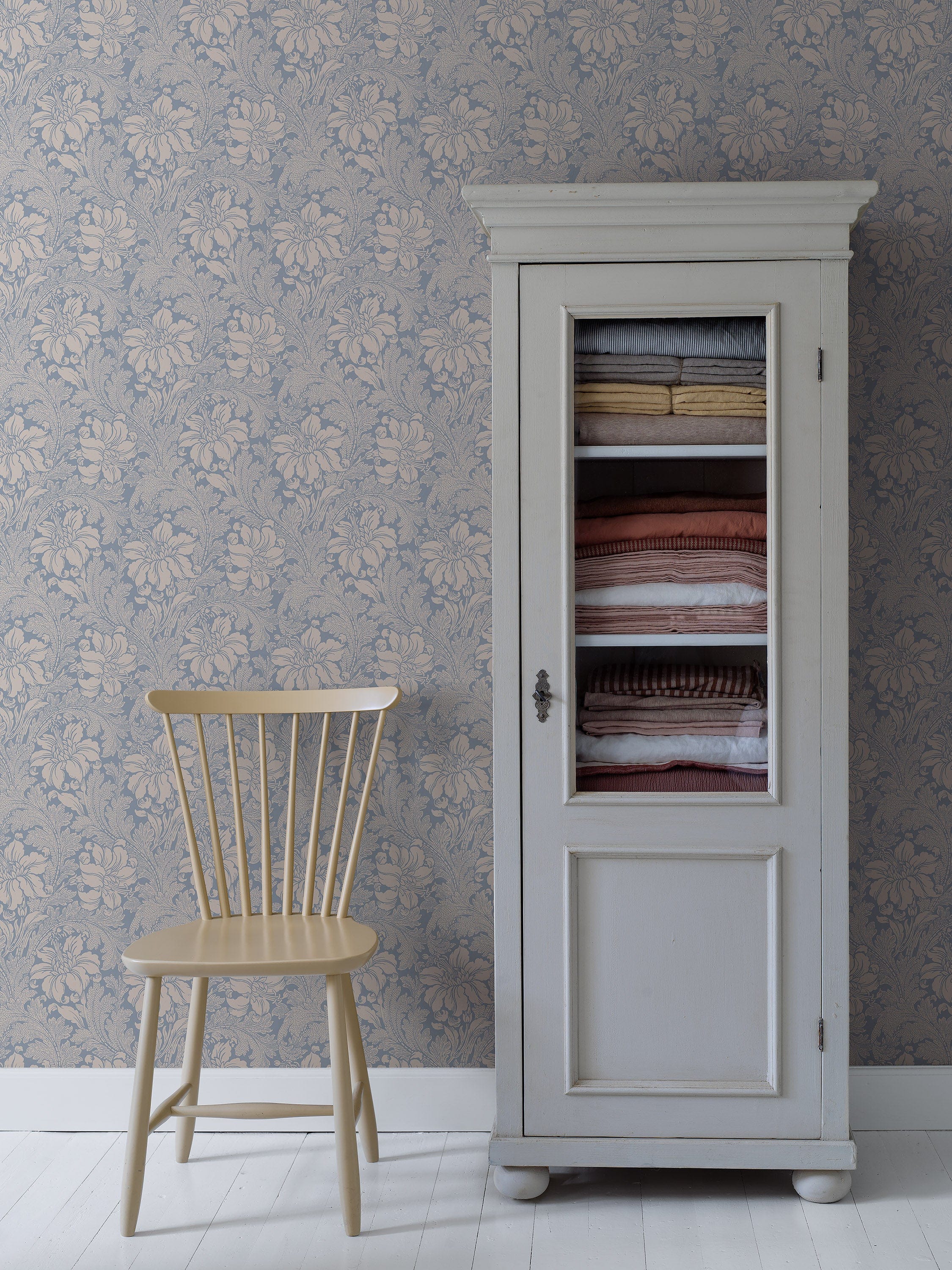
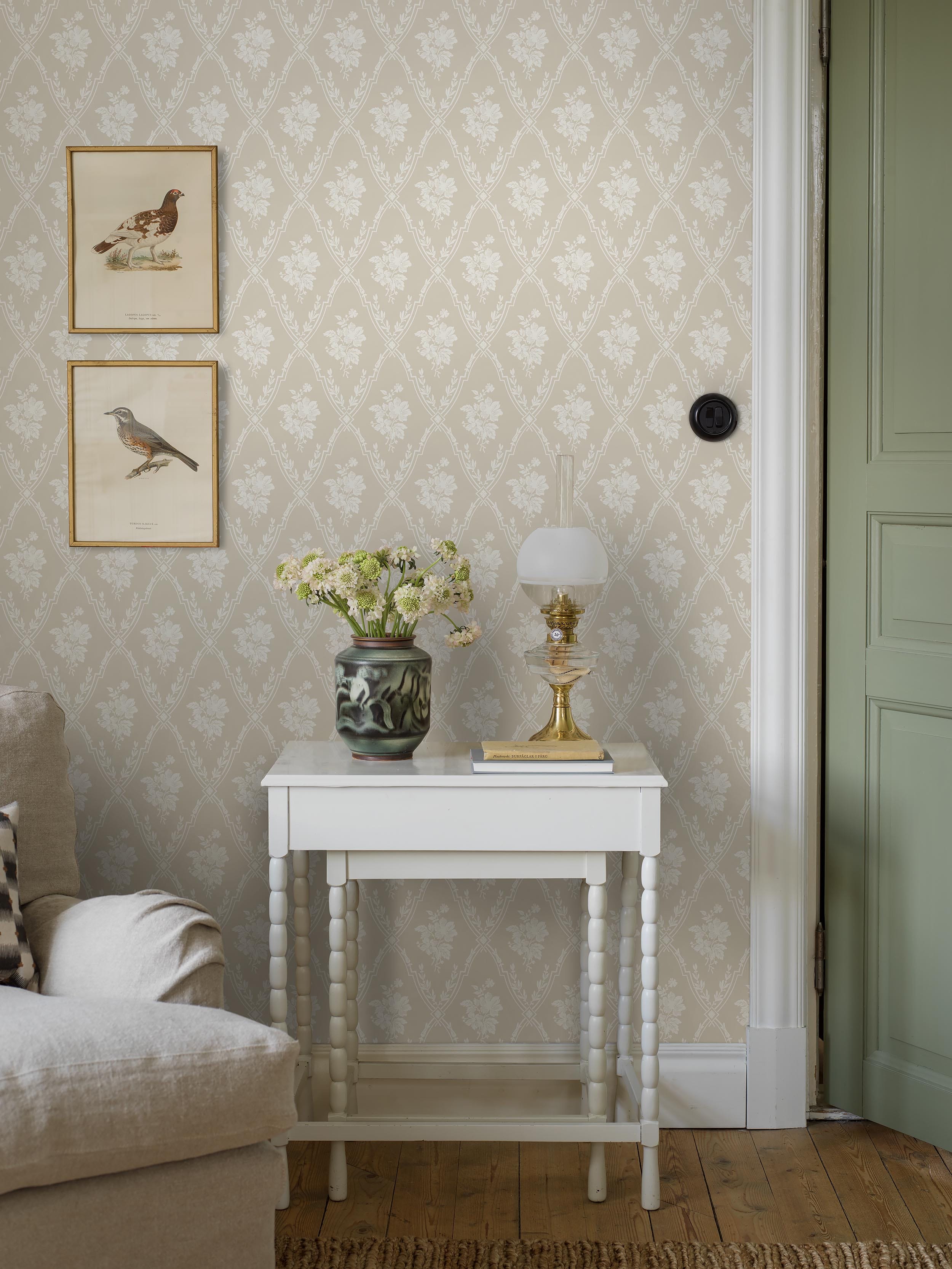
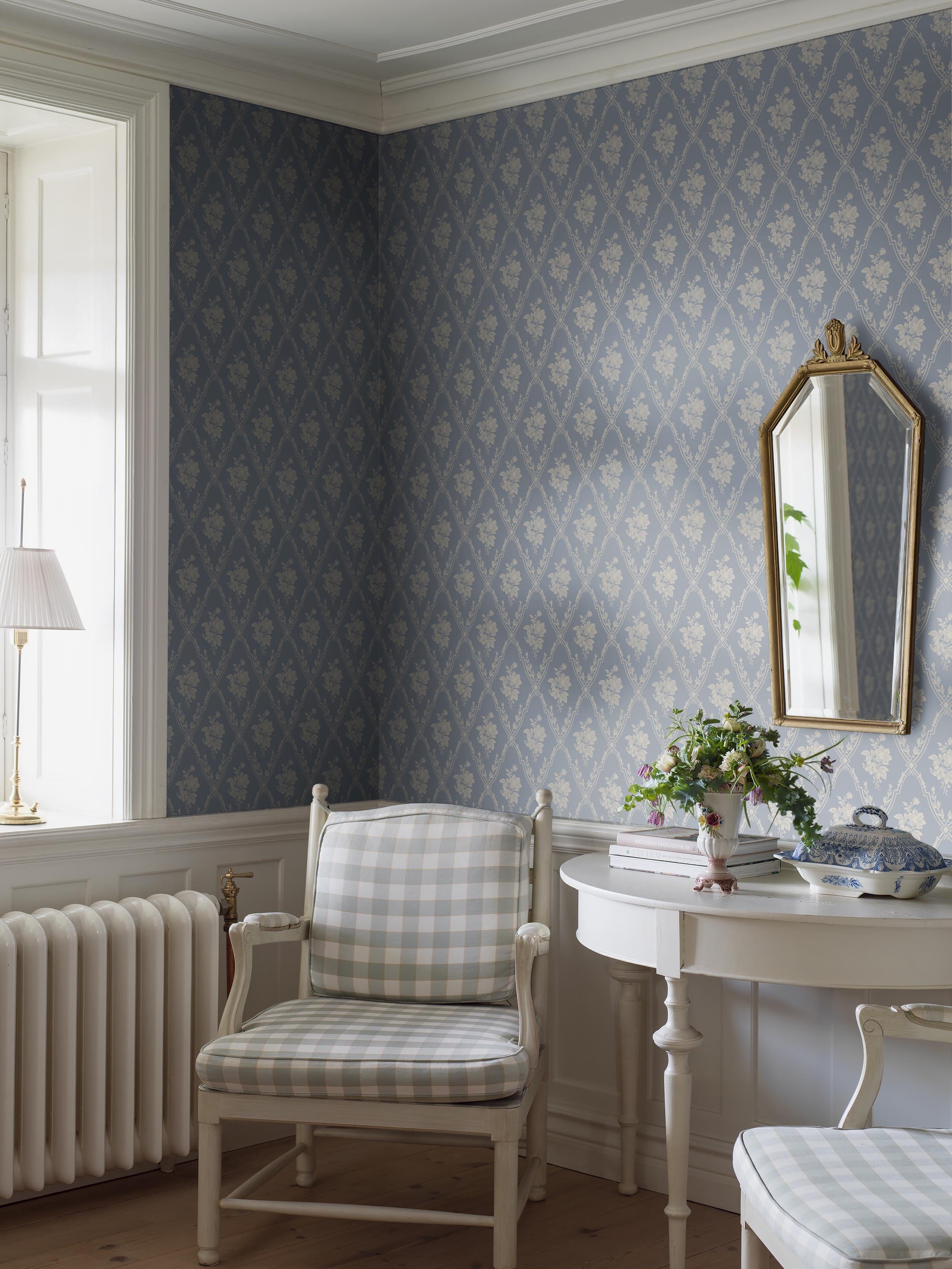
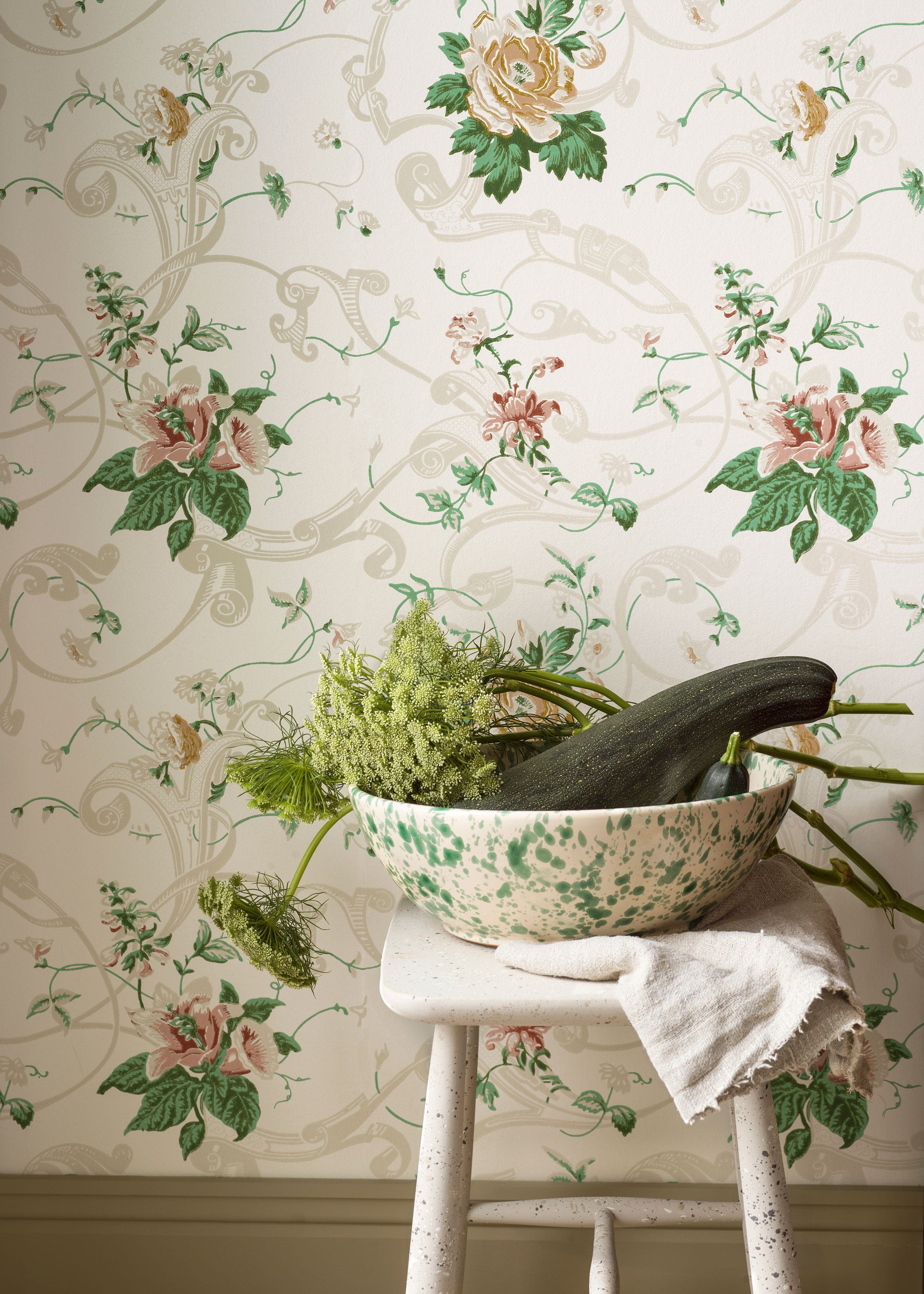
During the 1850s and 1860s many influences also came from France, and during this time medallion wallpapers were immensely popular. Gold printing also became more and more common, and towards the 1870s and 1880s large-flowered wallpapers became fashionable.
Other trends among 19th century wallpapers were panoramic wallpapers with beautiful landscapes, and wallpapers that imitated materials such as wood and marble. Ultramarine blue was an expensive and extremely popular color seen on many exclusive 19th century wallpapers.
Almoga wallpaper
I dag we also talk about old Swedish style and common folk. The word common man roughly means "common man" in Old Norse, and many times we see the everyday objects of farming society in front of us when we think common man; wooden spoons, baskets, clothes and furniture, beautifully decorated with imaginative patterns in the classic commoner colors of red, green and blue.
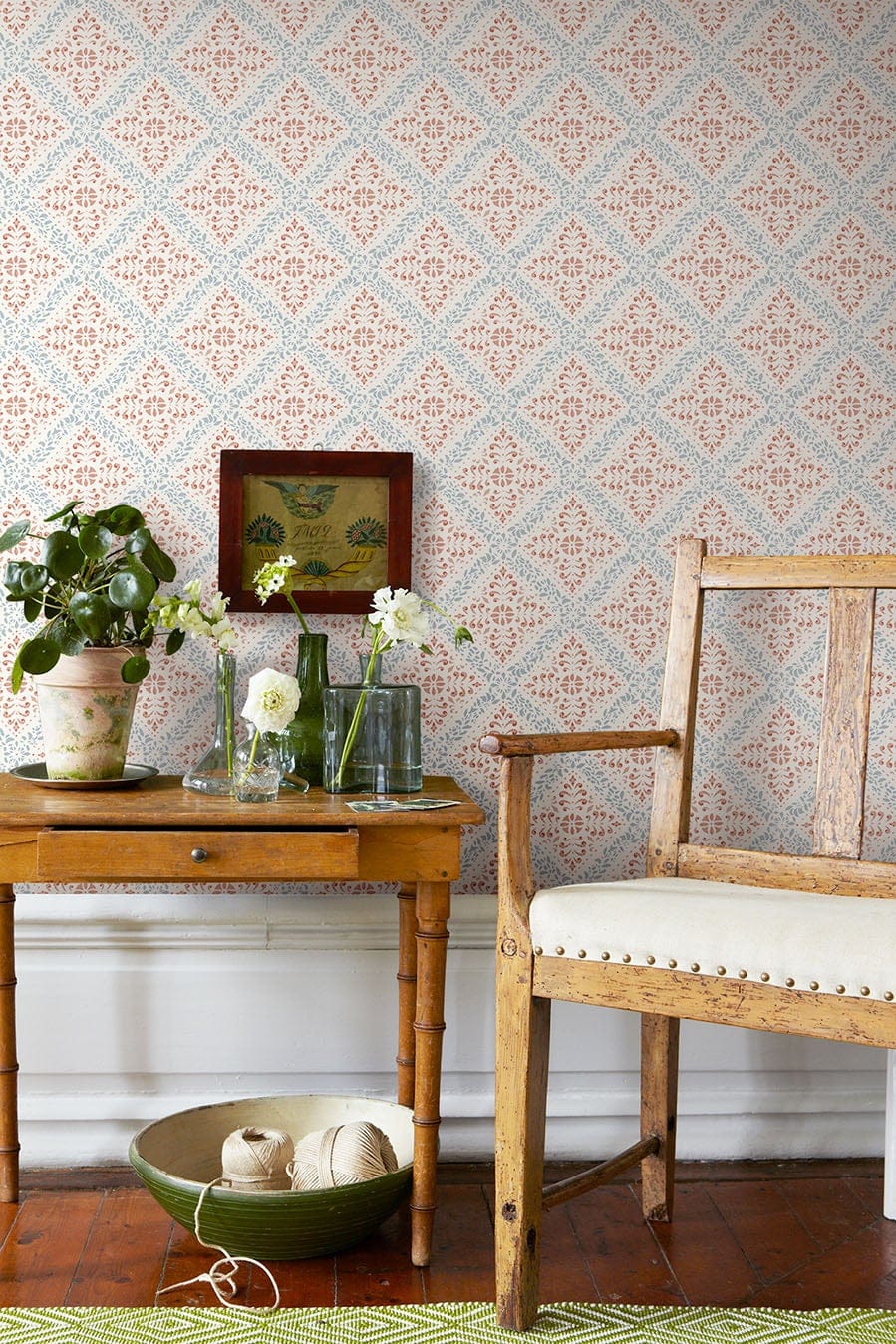
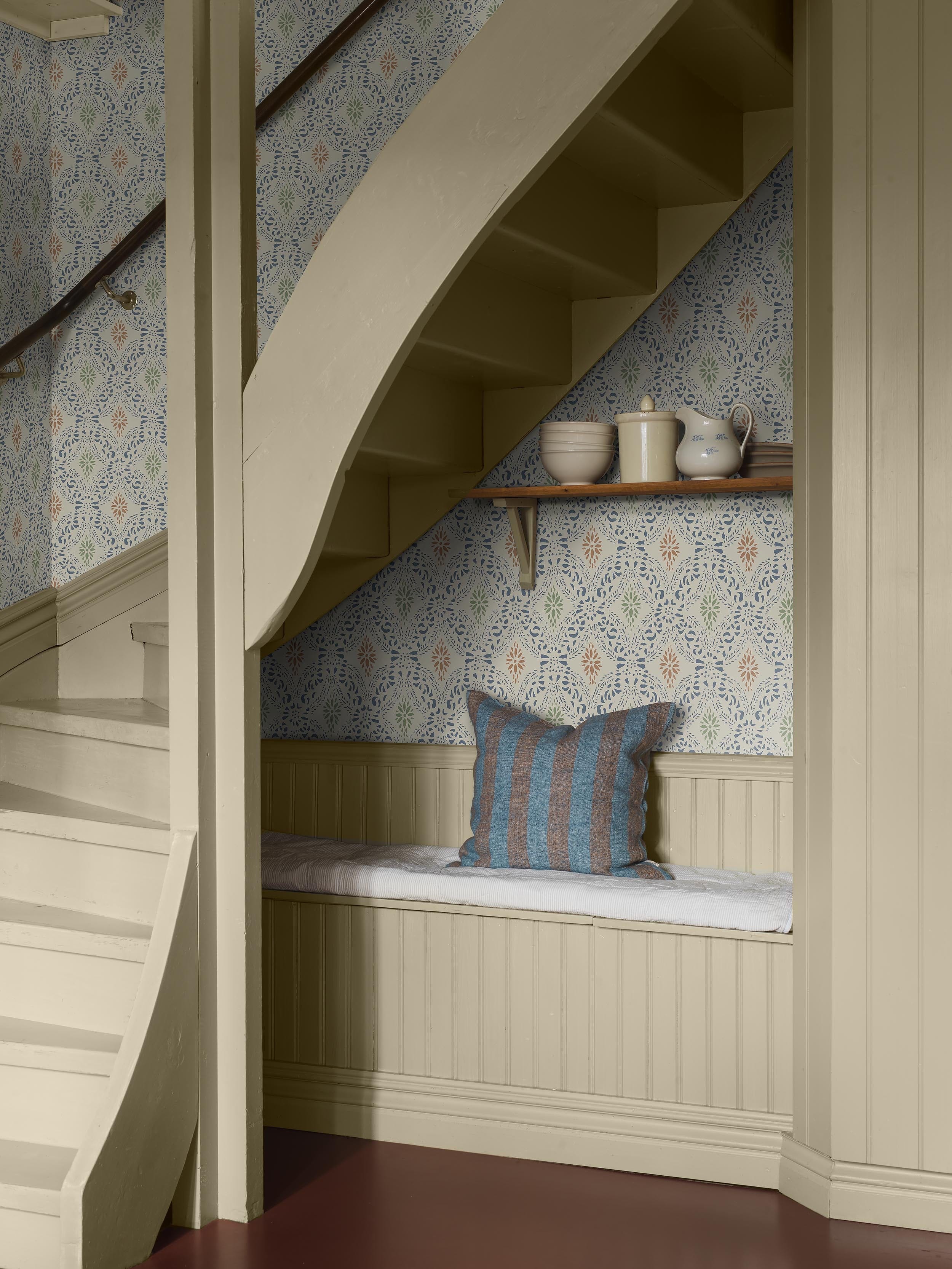
If you want to decorate in a contemporary style, you can look for rustic, solid wooden furniture, leather and leather details and textiles in wool and linen. Soap-scrubbed wooden floors also belong to the peasant style. The walls were often covered with linseed oil painted paneling, either all the way to the ceiling or as a breast panel with a beautiful peasant tapestry above. The wallpapers were often stenciled and geometric patterns, stylized gourd flowers and decorated stripes were popular. Pick up the typical color palette of falus red and common blue, and match with neutral, earthy shades like linen beige and green umber.